BOMO METALS · MADE TO YOUR REQUIREMENTS

Custom Molybdenum Electrodes

Molybdenum electrode enquiries for glass-melting and other explicitly specified process duties. Define the grade, working dimensions, connection geometry, electrical duty and operating environment so the electrode requirements can be reviewed for your equipment.
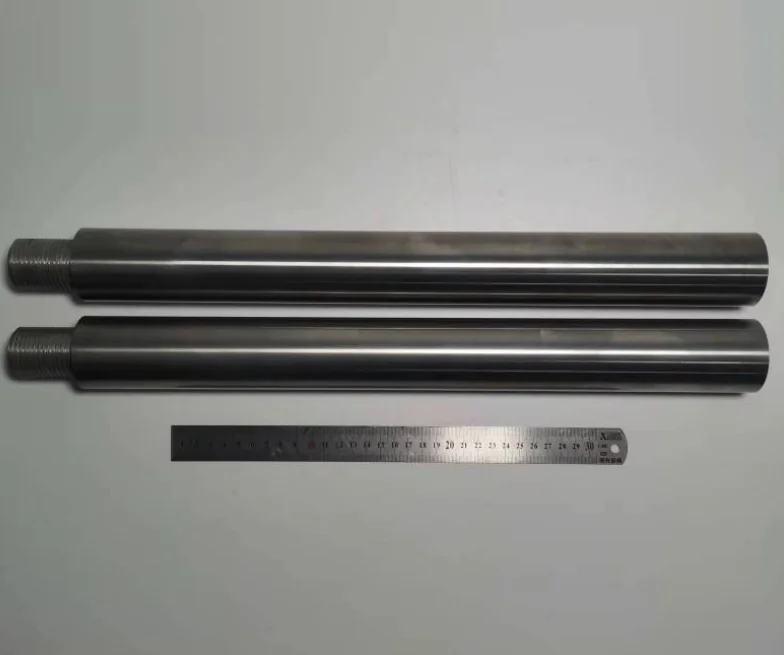
Molybdenum electrode examples with shaped connection ends
Product geometry example from our company materials. Material grade and dimensions are specified for each project.

Molybdenum material properties & specification reference

Molybdenum is a refractory metal used in specified thermal and equipment components. Its lower density relative to tungsten can be relevant to an assembly design. Pure Mo, carbide-strengthened TZM and lanthanum-oxide-dispersed MoLa must be treated as separate material specifications.

Material identity

Select pure molybdenum or a named alloy with an agreed chemistry and condition.

Thermal operating context

Specify vacuum or gas atmosphere, exposure to air, thermal cycles, load and contact media. Melting point is not an operating-temperature guarantee.

Drawing-based geometry

Define critical dimensions, datum surfaces, finish and inspection requirements for the actual component.

Property / specificationReference or selectionProcurement meaning
Material identityMolybdenum (Mo)Element reference; identify the industrial grade separately
Atomic number42Element identity
Density at room temperature10.2 g/cm³Reference for the element; delivered material depends on grade and condition
Melting point2622 °CElement phase-change reference, not a continuous service-temperature rating
Common designation in our materialsMo1Use the exact material grade or standard required by your drawing
Purity reference in product files≥99.95% for specified pure-metal examplesConfirm required chemistry and certificate scope for the order; not applied to alloys
Delivered shape and conditionDrawing-basedGeometry, finish and material state are specified separately

Element density and melting point: Royal Society of Chemistry reference. Designation and purity examples: our product materials. Reference values explain the base metal; the selected grade and agreed order specification govern delivery.

What to specify for molybdenum electrodes

An electrode is a functional component, not simply a molybdenum rod with a different name. The process, electrical duty and connection arrangement determine what the part must do. Identify glass melting or another intended application explicitly rather than treating different electrode uses as interchangeable.
Our company materials mention molybdenum electrodes and glass-melting applications. Drawing-based enquiries can describe the body and connection details. The material specification and process compatibility must be reviewed for the actual electrode; general rod data are not a substitute for an electrode specification.

Customization options & quotation inputs

Customization inputWhat to specifyDetails for review
Electrode materialMolybdenum grade and required chemistryProcess-specific impurity and documentation requirements
Working geometryBody diameter, overall and effective lengthsEnd shape, thread or connection drawing
Electrical and installation dutyCurrent/voltage or equipment specificationHolder, interfaces and any cooling or protection arrangements
Process conditionsGlass or process-medium composition and cycleTemperature, atmosphere, exposure and acceptance criteria
These fields describe your requirements, rather than a fixed stock catalogue or a universal capability range. The selected material, geometry, quantity and inspection scope are reviewed together.

Applications & operating conditions

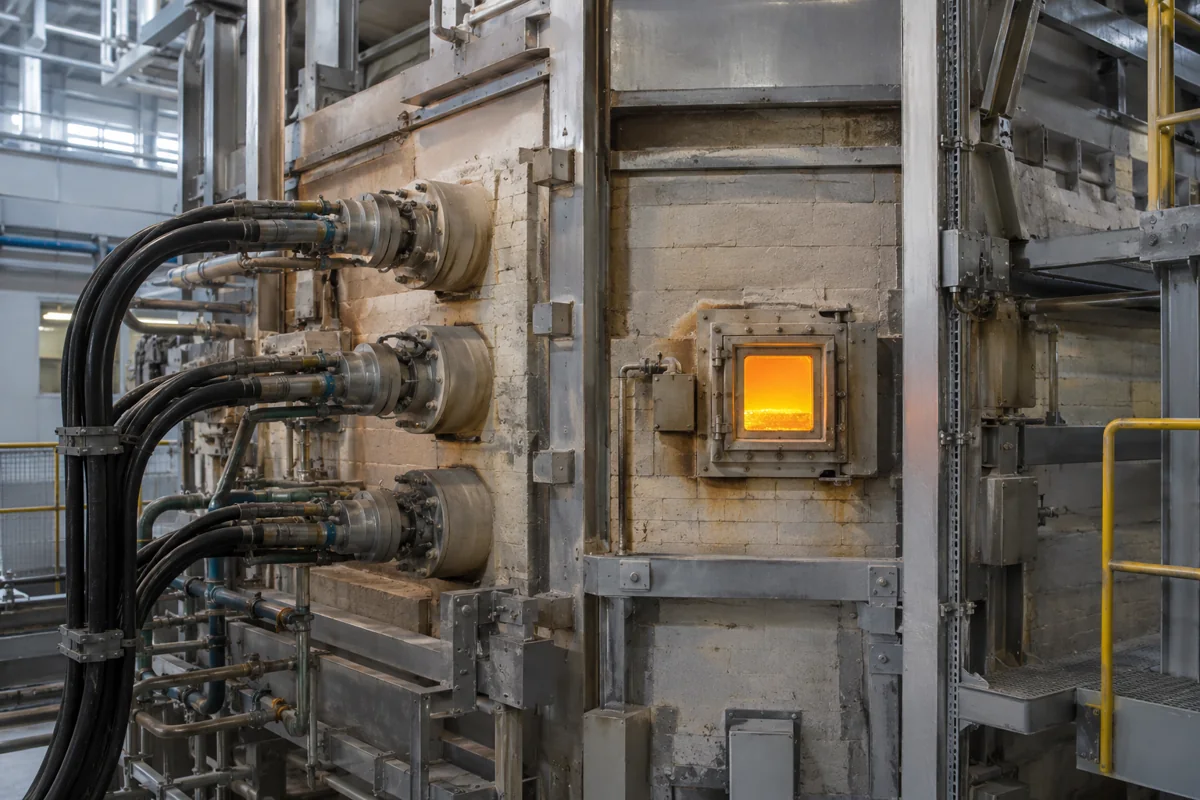
Electric glass-melting furnace with electrode feedthroughs
Electric glass-melting equipment — AI-generated application illustration. Glass chemistry, electrode immersion, current duty and cooling arrangement are project inputs.
The presentation includes glass-melting electrodes as a molybdenum application. For such an enquiry, describe the glass composition and how the electrode is installed and operated. Other electrode processes require their own material and geometry review; this page does not imply one specification for all electrical applications.Include electrical duty, temperature cycle, oxidation exposure, holder arrangement and any cooling or protective requirements defined by the equipment. Service life and process compatibility should be discussed against those conditions rather than inferred from the photograph.

Agree the manufacturing and inspection scope

Start with a current drawing, material specification and the features that determine fit or function. Identify any surfaces, connections or operating conditions that need special review. The proposed manufacturing route and achievable requirements are discussed before the order scope is agreed.
List the material documentation and dimensional or surface checks your procurement process requires. Their availability and acceptance criteria should be agreed in the quotation. For a repeat order, identify changes to the drawing, material or service conditions.

Molybdenum Electrodes questions

Can I use a generic molybdenum rod as my electrode specification?

Rod dimensions are not enough. Include the electrode process, grade, connection geometry, electrical duty and operating conditions. Those inputs distinguish an electrode requirement from a general machining blank.

Can I request non-standard dimensions?

Yes. Send the required dimensions and mark the tolerances that matter for your application. We review the actual material, geometry and quantity; the photographs are not fixed-size or stock listings.

What are the lead time and documentation options?

Include your required schedule and documents with the enquiry. The inspection scope, production route, quantity and delivery requirements are reviewed before quotation; one lead time is not promised for all custom parts.

Request a molybdenum electrodes quotation

Email your drawing, sketch or initial requirements to sales@bomometals.com. Include the following information where available:
  • Process type, grade, body/effective length, connection drawing, electrical duty and installation conditions.
  • Material grade or standard, drawing revision and component function.
  • First-order quantity, expected repeat demand and required inspection or material documents.
  • Operating conditions, delivery country and location, and requested schedule.
We review the achievable specification, inspection scope, packaging and quotation terms for your project. A photograph can start the discussion; dimensioned information is needed to define manufacture.
Scroll to Top