
BOMO METALS · CUSTOM MANUFACTURING
Custom Machined Metal Components
Drawing-based electrodes, crucibles, furnace components, fixtures and equipment parts in tungsten, molybdenum and other specified metals. Your component function, material grade and critical dimensions guide the manufacturing review and quotation.
Define the finished part you need
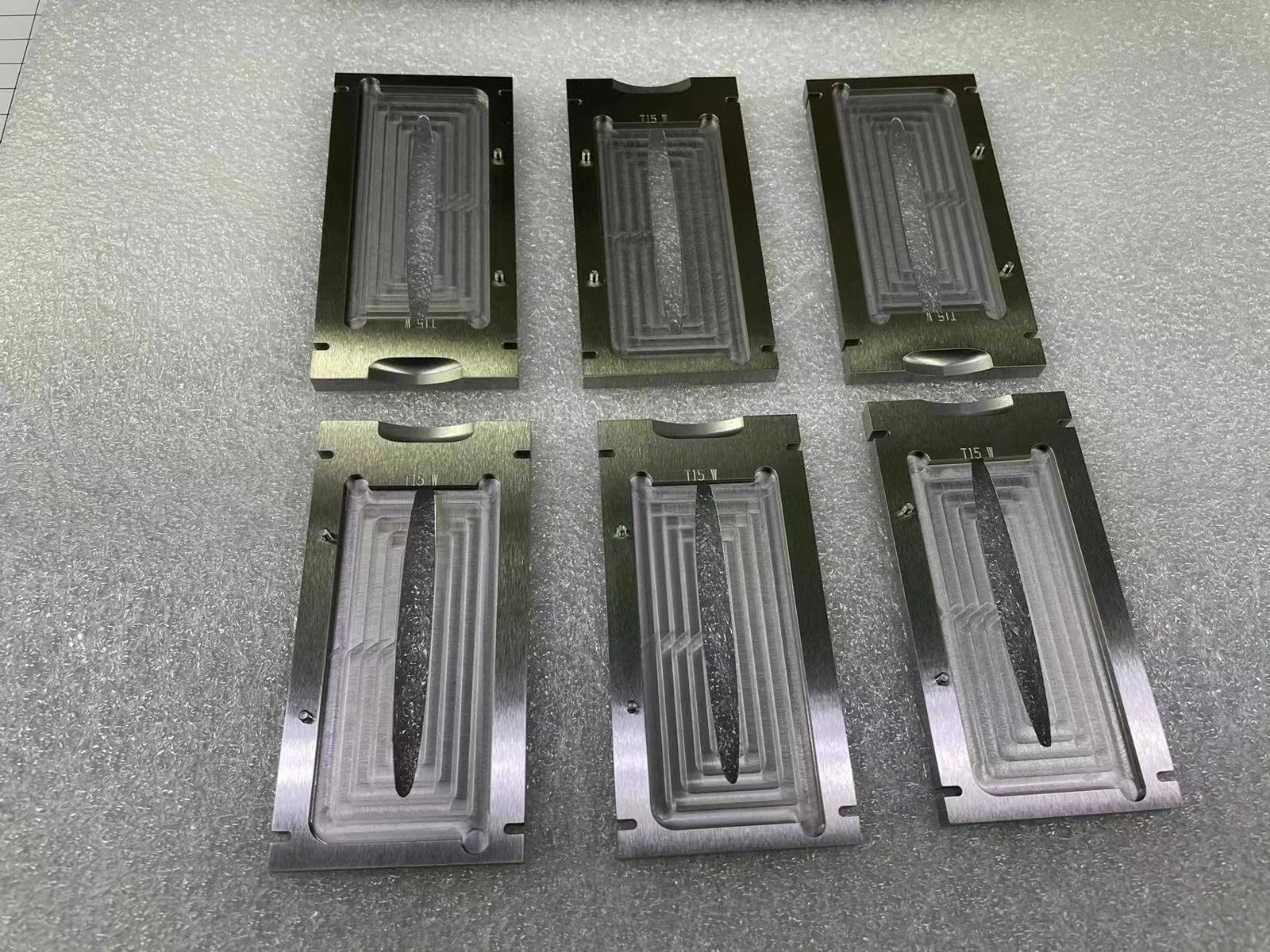
Custom manufacture starts with the part requirement. A component name describes its role, while the drawing defines how it must fit and function. Send the material designation, drawing revision and any surfaces or dimensions that determine performance.
Our company materials show electrodes, crucibles, thermal assemblies and machined equipment components. The examples demonstrate product types and processing work; their photographs do not establish a universal tolerance, grade or size.
| Component group | Examples to discuss | Application details needed |
|---|---|---|
| Electrodes and electrical parts | Molybdenum electrodes and specified tungsten electrode parts | Process type, current or electrical duty, material grade and interfaces |
| Crucibles and boats | Tungsten or molybdenum melting and evaporation containers | Charge material, capacity, wall geometry, atmosphere and heating method |
| Furnace components | Heat shields, metal heating elements, racks, supports and assemblies | Temperature cycle, gas/vacuum conditions, load and assembly drawing |
| Equipment and fixture parts | Chamber parts, ion-source components and drawing-based fixtures | Function, mating dimensions, cleanliness and inspection requirements |
A practical workflow for custom manufacture
01 · Define the part
Send a drawing or sketch, material specification, application and quantity. Mark the revision and identify the features that control fit or function.
02 · Review the requirements
We review geometry, material and the proposed cutting, forming, machining or assembly route. Critical tolerances and surface needs are discussed for the actual part.
03 · Agree the scope
Confirm the specification, quantity, inspection documents, packaging, destination and requested schedule as part of the quotation.
04 · Manufacture and inspect
Production and inspection follow the agreed scope. A repeat order should identify any drawing, material or operating-condition changes.
A close-up photograph can help explain a part but does not replace dimensioned information. For a replacement component, include the original specification and the operating conditions that affect material selection.
Manufacturing shaped by your design
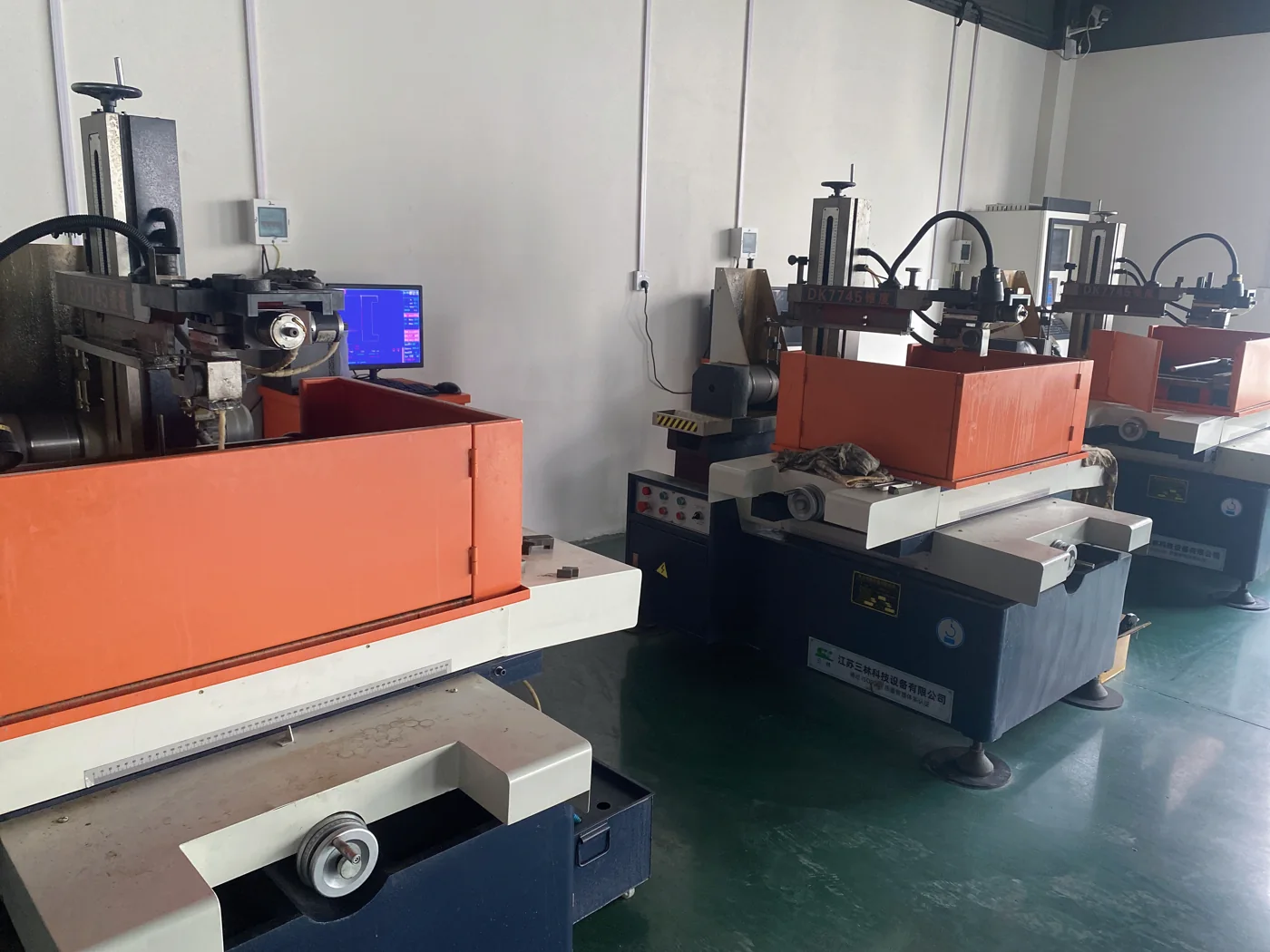
Our Luoyang workshop materials show machining equipment and custom metal processing. The manufacturing route depends on the metal, section thickness, feature geometry and production quantity. Identify holes, threads, grooves, thin walls, joining details and surfaces that require special review.
Use the material pages to specify tungsten or molybdenum, other non-ferrous metals, or a named alloy or composite. Metal molybdenum heaters and MoSi2 heating elements are distinct products and should be identified separately.
Questions before you order
Can you quote from a sample photograph?
A photograph or sketch can start the discussion. For manufacture, we need sufficient dimensions, material information and critical requirements to define the part. Describe any unknowns when you enquire.
Are all electrode applications interchangeable?
No. Electrode duty and material requirements depend on the process. Identify whether the part is for welding, melting or another equipment application, together with its grade and service conditions.
What tolerance and lead time can you offer?
They depend on the material, geometry, quantity and inspection scope. Send the required tolerance and requested schedule for review; the website does not present one guaranteed value for all custom parts.
Tell us what you need to make
Email your drawing, sketch or application description to sales@bomometals.com. An incomplete specification is a starting point for discussion.
- Material or grade, if already specified; otherwise describe the application.
- Drawing revision, dimensions, critical tolerances, mating surfaces, finish and component function.
- Quantity for the first order and expected repeat demand.
- Operating conditions and any required inspection or material documents.
- Destination country, delivery location and requested schedule.
Dimensions, achievable tolerances, documentation, lead time and quotation terms are reviewed for the individual project.