
BOMO METALS · CUSTOM MANUFACTURING
Custom Metal Alloys & Tungsten Composites
MoLa, TZM, tungsten–molybdenum, tungsten–copper and tungsten heavy alloy options for custom material forms and finished components. Select a defined material system, then review its grade, processing route and application requirements for quotation.
Identify the material system in your specification
Our product brochure includes the following alloy and composite families. Their names describe different compositions and structures, rather than interchangeable grades. Specify an exact designation or share your operating requirements if material selection is still open.
| Material family | What the name means | Custom project inputs |
|---|---|---|
| MoLa | Molybdenum-lanthanum material; distinct from pure molybdenum and TZM | Required grade, form, thermal cycle and mechanical duty |
| TZM | Titanium-zirconium-molybdenum alloy | Material standard, geometry, load and service environment |
| W–Mo | Tungsten–molybdenum alloy system | Requested composition or grade and intended application |
| W–Cu | Tungsten–copper composite material | Composition or grade, thermal/electrical duty and interfaces |
| Tungsten heavy alloys | High-tungsten-content alloy systems; distinct from pure tungsten | Named grade, density requirement if specified, part geometry and function |
Material forms and drawing-based parts
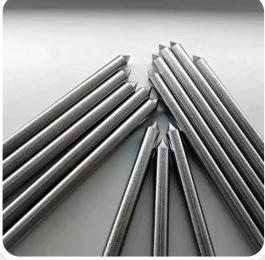
Discuss plates, rods, blanks and custom components in the selected material. Not every form or manufacturing route applies to every alloy. Define the final dimensions, critical features, surface requirements and intended further processing, so the appropriate route can be assessed.
Choose by service conditions, not only by a material name
For thermal parts, identify temperature, atmosphere, thermal cycling and load. For electrical or heat-management components, state the required duty and interface details. For a counterweight or shielding component, supply the assembly drawing and your engineering material requirements; a material category alone does not establish a certified shielding performance.
Tungsten–copper is commonly described as a composite, so this page does not treat it as a homogeneous alloy. Tungsten heavy alloy is also distinct from cemented carbide. If your drawing uses a trade name, add the corresponding material standard or composition specification where available.
Inspection follows the agreed grade and part requirements
State whether you need material identification, composition documentation, dimensional inspection or other agreed checks. Required properties, tolerances and documents are part of the quotation review rather than an assumed capability for every grade.
Questions before you order
Can I enquire about TZM or MoLa without specifying dimensions yet?
Yes. Describe the application and approximate product form to start a discussion. The grade, dimensions and required conditions must then be defined for a concrete quotation.
Is tungsten–copper the same as tungsten heavy alloy?
No. They are different material systems. W–Cu combines tungsten and copper as a composite; tungsten heavy alloys use other alloy systems. Send the exact designation required by your drawing.
Can an alloy be substituted for pure tungsten or molybdenum?
Treat substitution as an engineering decision. Composition, service environment, mechanical duty and processing differ. We review an enquiry against the material you specify rather than assuming that an alloy is a direct replacement.
Tell us what you need to make
Email your drawing, sketch or application description to sales@bomometals.com. An incomplete specification is a starting point for discussion.
- Material or grade, if already specified; otherwise describe the application.
- Exact alloy or composite grade, required form, drawing, dimensions and any specified material properties.
- Quantity for the first order and expected repeat demand.
- Operating conditions and any required inspection or material documents.
- Destination country, delivery location and requested schedule.
Dimensions, achievable tolerances, documentation, lead time and quotation terms are reviewed for the individual project.