Material identity
Select pure molybdenum or a named alloy with an agreed chemistry and condition.

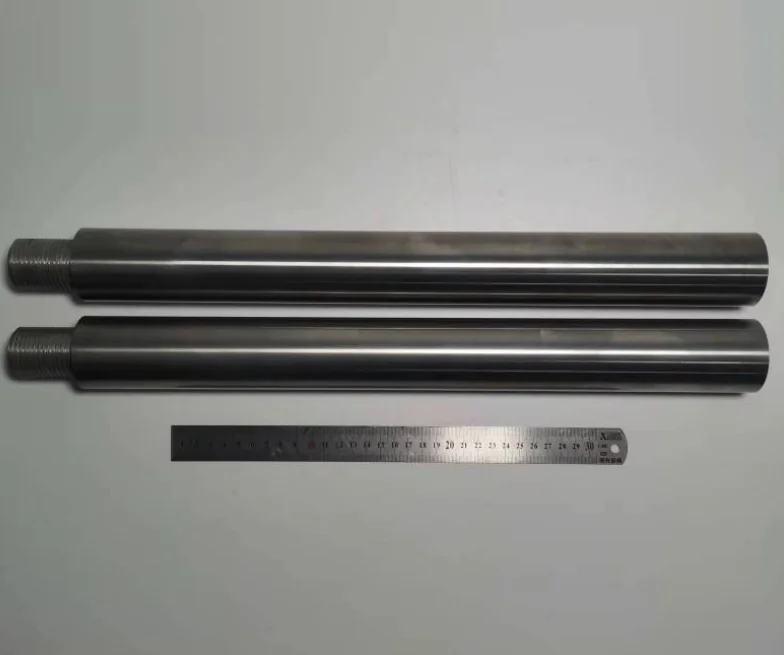
Select pure molybdenum or a named alloy with an agreed chemistry and condition.
Specify vacuum or gas atmosphere, exposure to air, thermal cycles, load and contact media. Melting point is not an operating-temperature guarantee.
Define critical dimensions, datum surfaces, finish and inspection requirements for the actual component.
| Property / specification | Reference or selection | Procurement meaning |
|---|---|---|
| Material identity | Molybdenum (Mo) | Element reference; identify the industrial grade separately |
| Atomic number | 42 | Element identity |
| Density at room temperature | 10.2 g/cm³ | Reference for the element; delivered material depends on grade and condition |
| Melting point | 2622 °C | Element phase-change reference, not a continuous service-temperature rating |
| Common designation in our materials | Mo1 | Use the exact material grade or standard required by your drawing |
| Purity reference in product files | ≥99.95% for specified pure-metal examples | Confirm required chemistry and certificate scope for the order; not applied to alloys |
| Delivered shape and condition | Drawing-based | Geometry, finish and material state are specified separately |
Element density and melting point: Royal Society of Chemistry reference. Designation and purity examples: our product materials. Reference values explain the base metal; the selected grade and agreed order specification govern delivery.
| Customization input | What to specify | Details for review |
|---|---|---|
| Electrode material | Molybdenum grade and required chemistry | Process-specific impurity and documentation requirements |
| Working geometry | Body diameter, overall and effective lengths | End shape, thread or connection drawing |
| Electrical and installation duty | Current/voltage or equipment specification | Holder, interfaces and any cooling or protection arrangements |
| Process conditions | Glass or process-medium composition and cycle | Temperature, atmosphere, exposure and acceptance criteria |