BOMO METALS · MADE TO YOUR REQUIREMENTS

Custom Tungsten Sheet & Plate

Tungsten sheet and plate for custom flat blanks, thermal parts and further machining. Define the tungsten grade, thickness, cut dimensions, surface condition and operating environment for a project-specific manufacturing review.
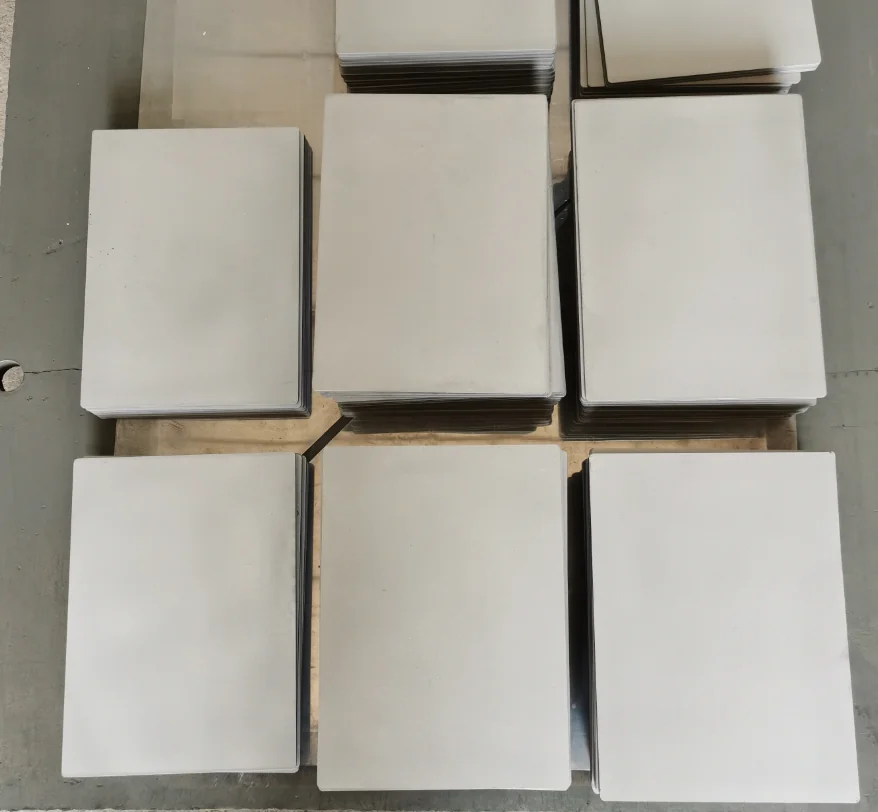
Rectangular tungsten flat-product examples
Product geometry example from our company materials. Material grade and dimensions are specified for each project.

Tungsten material properties & specification reference

Tungsten is a dense refractory metal with a high melting-point reference. Pure tungsten, tungsten heavy alloys and tungsten carbide are separate material systems; a familiar product shape does not make their properties interchangeable.

Material identity

Select pure tungsten or a named alloy with an agreed chemistry and condition.

Thermal operating context

Specify vacuum or gas atmosphere, exposure to air, thermal cycles, load and contact media. Melting point is not an operating-temperature guarantee.

Drawing-based geometry

Define critical dimensions, datum surfaces, finish and inspection requirements for the actual component.

Property / specificationReference or selectionProcurement meaning
Material identityTungsten (W)Element reference; identify the industrial grade separately
Atomic number74Element identity
Density at room temperature19.3 g/cm³Reference for the element; delivered material depends on grade and condition
Melting point3414 °CElement phase-change reference, not a continuous service-temperature rating
Common designation in our materialsW1Use the exact material grade or standard required by your drawing
Purity reference in product files≥99.95% for specified pure-metal examplesConfirm required chemistry and certificate scope for the order; not applied to alloys
Delivered shape and conditionDrawing-basedGeometry, finish and material state are specified separately

Element density and melting point: Royal Society of Chemistry reference. Designation and purity examples: our product materials. Reference values explain the base metal; the selected grade and agreed order specification govern delivery.

What to specify for tungsten sheet & plate

Tungsten sheet and plate describe flat tungsten forms supplied against a defined material and dimensional requirement. A rectangular blank, cut strip and profiled part need different drawings and acceptance criteria. Plate and sheet remain together on this page to make those choices clear.
Our tungsten flat-product materials describe surface conditions such as as-produced, cleaned and ground surfaces. Discuss the required condition with the actual thickness and geometry. Any holes, shaped edges or forming requirements need a part-specific review rather than an assumed processing allowance.

Customization options & quotation inputs

Customization inputWhat to specifyDetails for review
Material designationSpecified tungsten grade and material standardIdentify pure tungsten separately from tungsten heavy alloy or carbide
Flat dimensionsThickness, width, length or profileThickness tolerance, flatness and reference surfaces
Edge and surfaceCut edges, cleaned or ground surfaces to discussFinish, edge condition and cleanliness requirements
Further fabricationMachining, holes or forming detailsDrawing revision and critical features to assess
These fields describe your requirements, rather than a fixed stock catalogue or a universal capability range. The selected material, geometry, quantity and inspection scope are reviewed together.

Applications & operating conditions

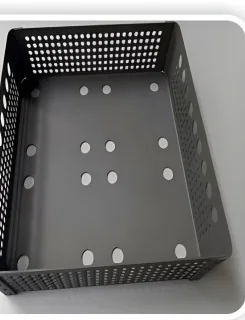
Perforated metal tray for thermal processing
Perforated thermal-process tray from our brochure. Geometry reference for custom sheet work; the picture does not identify the requested tungsten grade.
The company materials show tungsten flat forms for thermal equipment and custom component work. A flat sheet used as a shield must be specified in the context of the furnace assembly, while a machining blank must allow for the final component geometry and inspection surfaces.Identify vacuum or gas conditions, exposure to air, temperature cycling and any mechanical load for thermal parts. A melting point is not an operating-temperature guarantee. Pure tungsten, tungsten heavy alloy and cemented carbide are different material systems; a drawing should identify the intended one.

Agree the manufacturing and inspection scope

Start with a current drawing, material specification and the features that determine fit or function. Identify any surfaces, connections or operating conditions that need special review. The proposed manufacturing route and achievable requirements are discussed before the order scope is agreed.
List the material documentation and dimensional or surface checks your procurement process requires. Their availability and acceptance criteria should be agreed in the quotation. For a repeat order, identify changes to the drawing, material or service conditions.

Tungsten Sheet & Plate questions

Is tungsten plate the same material as tungsten heavy alloy plate?

No. Specify the exact material on your drawing. Pure tungsten, tungsten heavy alloy and cemented carbide have different compositions and processing requirements, so they should not be substituted by name.

Can I request non-standard dimensions?

Yes. Send the required dimensions and mark the tolerances that matter for your application. We review the actual material, geometry and quantity; the photographs are not fixed-size or stock listings.

What are the lead time and documentation options?

Include your required schedule and documents with the enquiry. The inspection scope, production route, quantity and delivery requirements are reviewed before quotation; one lead time is not promised for all custom parts.

Request a tungsten sheet & plate quotation

Email your drawing, sketch or initial requirements to sales@bomometals.com. Include the following information where available:
  • Thickness × width × length or profile; flatness and critical tolerances; edge and surface condition.
  • Material grade or standard, drawing revision and component function.
  • First-order quantity, expected repeat demand and required inspection or material documents.
  • Operating conditions, delivery country and location, and requested schedule.
We review the achievable specification, inspection scope, packaging and quotation terms for your project. A photograph can start the discussion; dimensioned information is needed to define manufacture.
Scroll to Top