
BOMO METALS · CUSTOM MANUFACTURING
Custom Refractory Metal Products
Custom tungsten and molybdenum products for industrial equipment, thermal assemblies and drawing-based manufacture. Specify the material grade and product form, then define dimensions, surface requirements and the conditions in which the part will operate.
Tungsten and molybdenum, made around your requirements
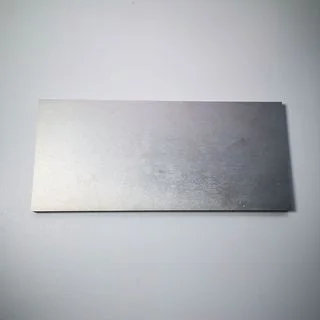
Tungsten products
Discuss plate and sheet, foil, rods, wire, tubes, crucibles and machined tungsten components. A drawing or dimensional specification defines the required shape, edges, holes, threads and mating surfaces. Identify pure tungsten separately from tungsten heavy alloy or carbide requirements.
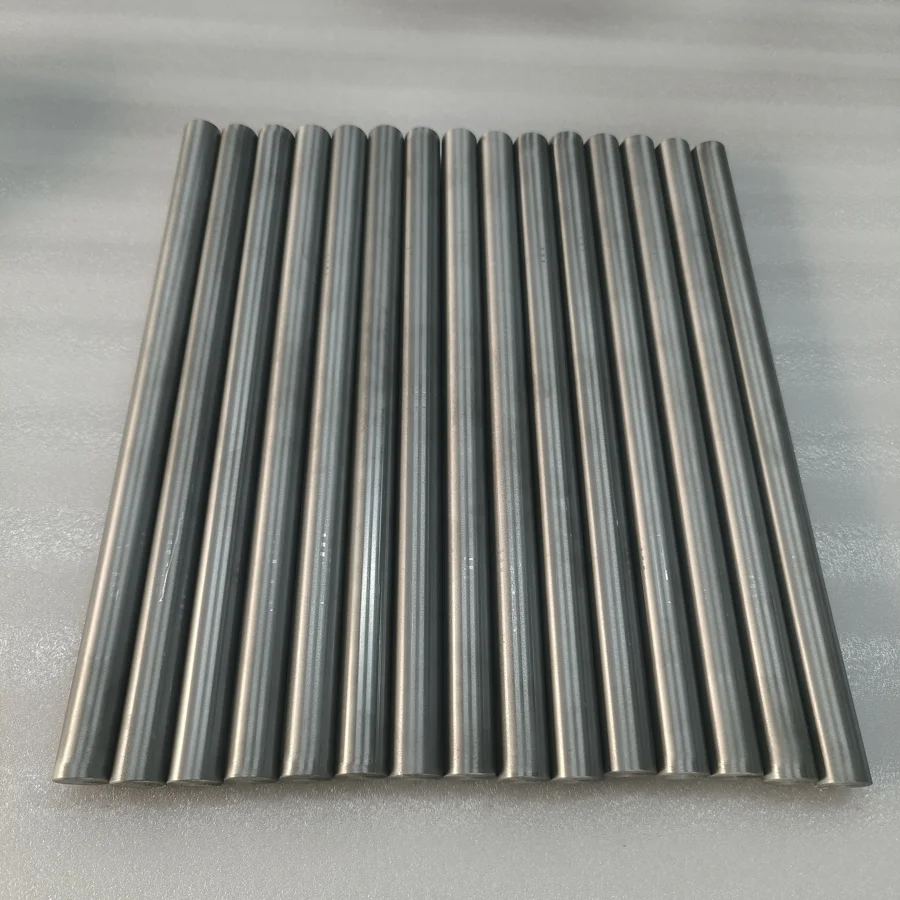
Molybdenum products
Discuss plate, sheet, foil, rod, wire, tube, crucibles, boats, electrodes and furnace components. If your specification calls for TZM or molybdenum-lanthanum, use the alloy category to identify that grade rather than treating it as pure molybdenum.
Niobium and tantalum also belong to the refractory metal family. Browse their material forms under other non-ferrous metals. For TZM, MoLa, W–Mo, W–Cu or tungsten heavy alloys, see metal alloys.
Define your custom specification
| Product route | Options to define | Application information |
|---|---|---|
| Flat products | Thickness, width, length, flatness requirement, cut profile and surface condition | Blank manufacture, shielding or further forming |
| Rods, wire and tubes | Diameter, length, wall thickness where relevant, straightness and end details | Machining blanks, supports, electrical or thermal components |
| Crucibles and boats | Internal geometry, capacity, wall thickness, rim and base details | Charge material, heating method, atmosphere and operating cycle |
| Fabricated or machined parts | Drawing revision, critical tolerances, interfaces and finish | Equipment function, assembly constraints and inspection scope |
These are quotation inputs, not a universal specification or guaranteed size range. Dimensions and processing options depend on the material, geometry and quantity.
Match the metal to the operating conditions
Our product materials include applications in vacuum furnaces, coating and semiconductor equipment, melting and crystal growth. A high melting point alone does not establish an acceptable service temperature. Atmosphere, oxidation exposure, thermal cycling, load and contact with other materials must be considered together.
For a furnace part, send the temperature profile and gas or vacuum conditions. For a crucible, identify the charge and process. For an electrode or equipment component, include its electrical duty, interface geometry and any specified material standard. Metal molybdenum heating elements are distinct from molybdenum disilicide (MoSi2) heaters.
Questions before you order
Can tungsten and molybdenum parts be made to my drawing?
Drawing-based enquiries are welcome. Supply the grade, geometry and critical requirements so that the manufacturing route and achievable specification can be reviewed.
Should I specify pure molybdenum, TZM or MoLa?
Use the grade required by your equipment or engineering specification. If it is undecided, describe the load, thermal cycle and atmosphere. TZM and MoLa are separate alloy options, not interchangeable names for pure molybdenum.
Are the photographed products available from stock?
The photographs show product forms and manufacturing examples. They do not establish stock, a fixed dimension or a delivery promise. We quote against the requirements of your project.
Tell us what you need to make
Email your drawing, sketch or application description to sales@bomometals.com. An incomplete specification is a starting point for discussion.
- Material or grade, if already specified; otherwise describe the application.
- Product form, dimensions and drawing; identify critical tolerances and required surface condition.
- Quantity for the first order and expected repeat demand.
- Operating conditions and any required inspection or material documents.
- Destination country, delivery location and requested schedule.
Dimensions, achievable tolerances, documentation, lead time and quotation terms are reviewed for the individual project.