
BOMO METALS · CUSTOM MANUFACTURING
Custom Non-Ferrous Metal Products
Niobium, nickel, tantalum, titanium and zirconium material forms and custom parts for industrial procurement. Start with your grade or application, then specify the form, dimensions, surface condition and documentation required for the project.
A wider material range for custom projects
Our company product materials cover non-ferrous metals beyond tungsten and molybdenum. The category brings together materials that buyers may specify for equipment parts, thermal assemblies or process-contact components. They have different material properties and processing requirements; one grade should not be substituted for another without an engineering review.
Niobium and tantalum are also refractory metals. This browsing structure provides one primary material entry, while the refractory metal page links back here. Nickel alloy requirements should identify the exact alloy designation; they are not equivalent to unalloyed nickel.
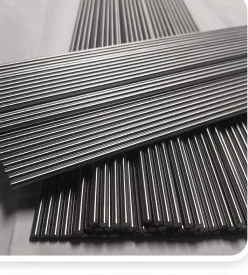
| Material | Forms and parts to discuss | Specify in your enquiry |
|---|---|---|
| Niobium (Nb) | Plate, sheet, rod, wire, tube and drawing-based parts | Grade or standard, geometry and operating environment |
| Nickel (Ni) | Material forms and custom components | Unalloyed nickel or named alloy, dimensions and process conditions |
| Tantalum (Ta) | Plate, sheet, rod, wire, tube and custom components | Grade, surface condition and any process-contact requirements |
| Titanium (Ti) | Plate, sheet, rod, wire, tube and machined parts | Exact grade, material standard and critical interfaces |
| Zirconium (Zr) | Material forms and custom parts | Grade, dimensions, operating conditions and inspection needs |
Define the application before selecting the material
For parts exposed to a process medium, identify the chemical composition, concentration, temperature, pressure and cleaning procedure. For thermal equipment, include the atmosphere and temperature cycle. For a mechanical component, define the load, mating materials and surfaces that control assembly.
Any required corrosion performance, conductivity or material compatibility must be assessed against those conditions and the selected grade. The category does not imply that every material is suitable for every environment. Regulated or safety-critical applications also need their own standards and documentation agreed in the enquiry.
From material form to finished component
A cut blank and a finished part need different specifications. State whether you need material for further processing, or a component with holes, threads, grooves and defined interfaces. Surface finish, cleaning, packaging and inspection requests belong in the same specification.
Questions before you order
Can I request custom dimensions instead of a standard size?
Yes. Include the material grade, form and desired dimensions. The available route, size, quantity and achievable requirements are reviewed for that enquiry.
What if my specification calls for a nickel or titanium alloy?
Send the exact alloy designation and material standard. A general name such as nickel or titanium is not enough to establish the required alloy chemistry or properties.
Can material or inspection documents be included?
Tell us which documents and inspection checks your procurement process requires. Their scope and availability should be agreed with the material and manufacturing requirements before the order.
Tell us what you need to make
Email your drawing, sketch or application description to sales@bomometals.com. An incomplete specification is a starting point for discussion.
- Material or grade, if already specified; otherwise describe the application.
- Material grade or standard, product form, dimensions, critical features and surface requirements.
- Quantity for the first order and expected repeat demand.
- Operating conditions and any required inspection or material documents.
- Destination country, delivery location and requested schedule.
Dimensions, achievable tolerances, documentation, lead time and quotation terms are reviewed for the individual project.