
BOMO METALS · MADE TO YOUR SPECIFICATION
Custom Metal Manufacturing & Machining
Drawing-based tungsten, molybdenum and other non-ferrous metal components from our manufacturing base in Luoyang, China. Specify your material grade, part geometry and operating conditions so we can review machining, fabrication and inspection for your project.
Manufacturing built around your part
A replacement component, a machining blank and a new assembly require different manufacturing decisions. We combine material selection with the geometry, surface condition and inspection scope defined for the actual part.
Our Luoyang workshop includes machining workstations, CNC turning and cutting equipment. The manufacturing scope covers tungsten and molybdenum parts, furnace components and other specified non-ferrous metals. The route is chosen around the grade, feature geometry and quantity.
Drawing. Material. Process. Acceptance.
Define the features that control fit and function before production. Dimensions, tolerances and finish are agreed for each project.
Define the features that control fit and function before production. Dimensions, tolerances and finish are agreed for each project.
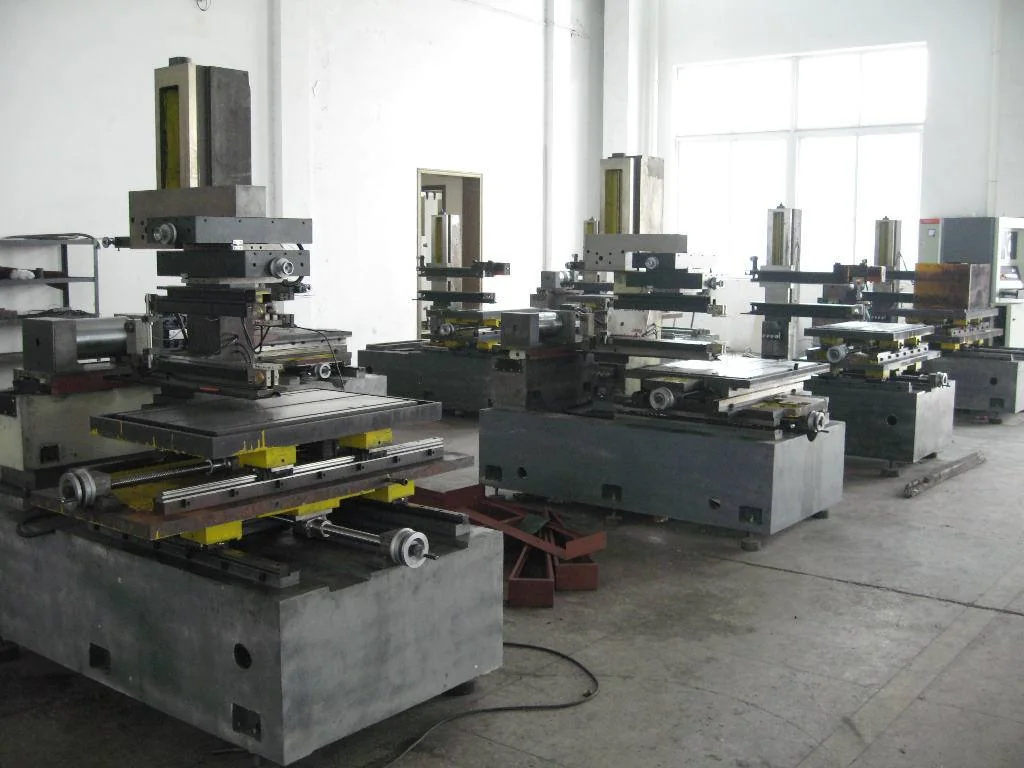
Machining & fabrication routes
Choose the required finished condition as well as the metal. A cut blank for your own processing and a ready-to-fit component need different tolerances, surfaces and inspection points.
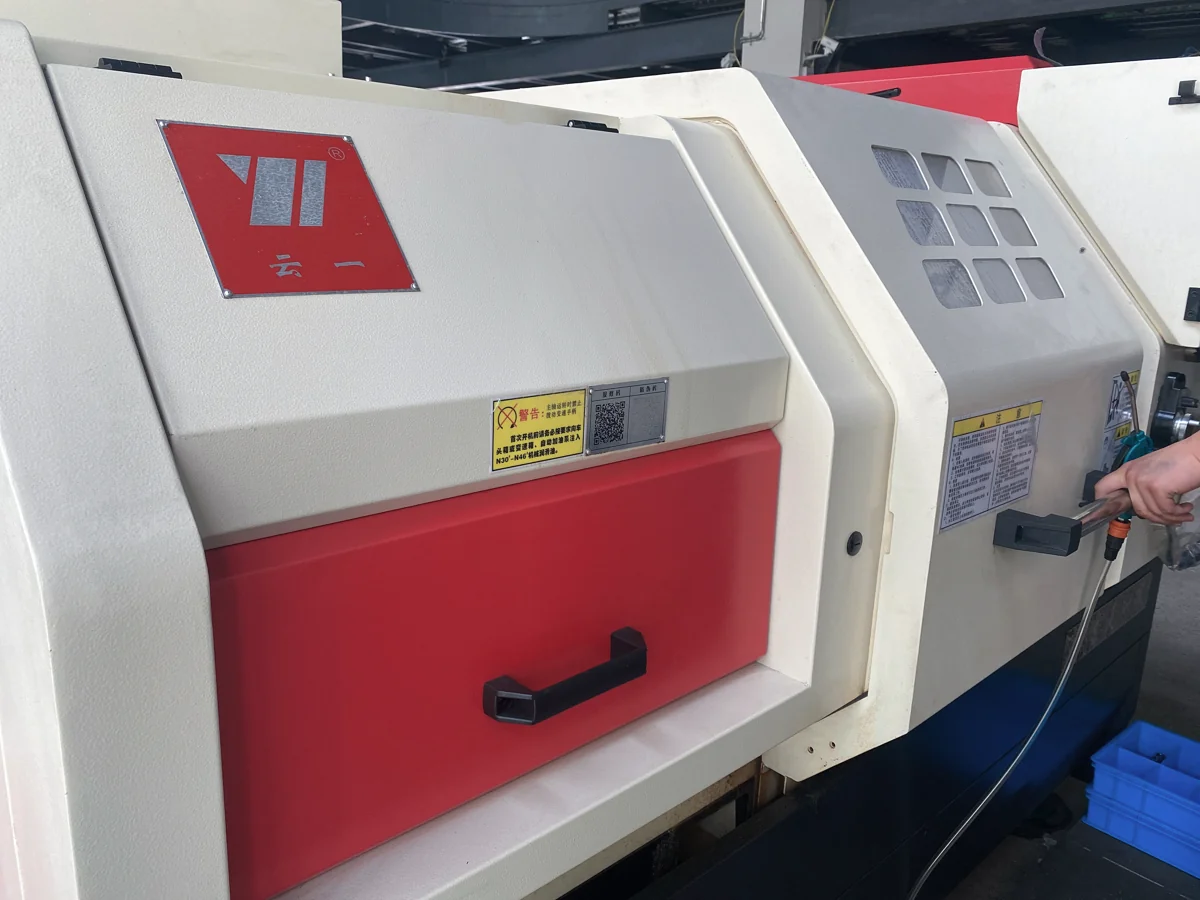
Turning & machining
Rods, stepped profiles, holes, threads, grooves and mating faces are defined by the drawing. CNC turning, milling and wire-cutting routes are reviewed against material, access and feature geometry.
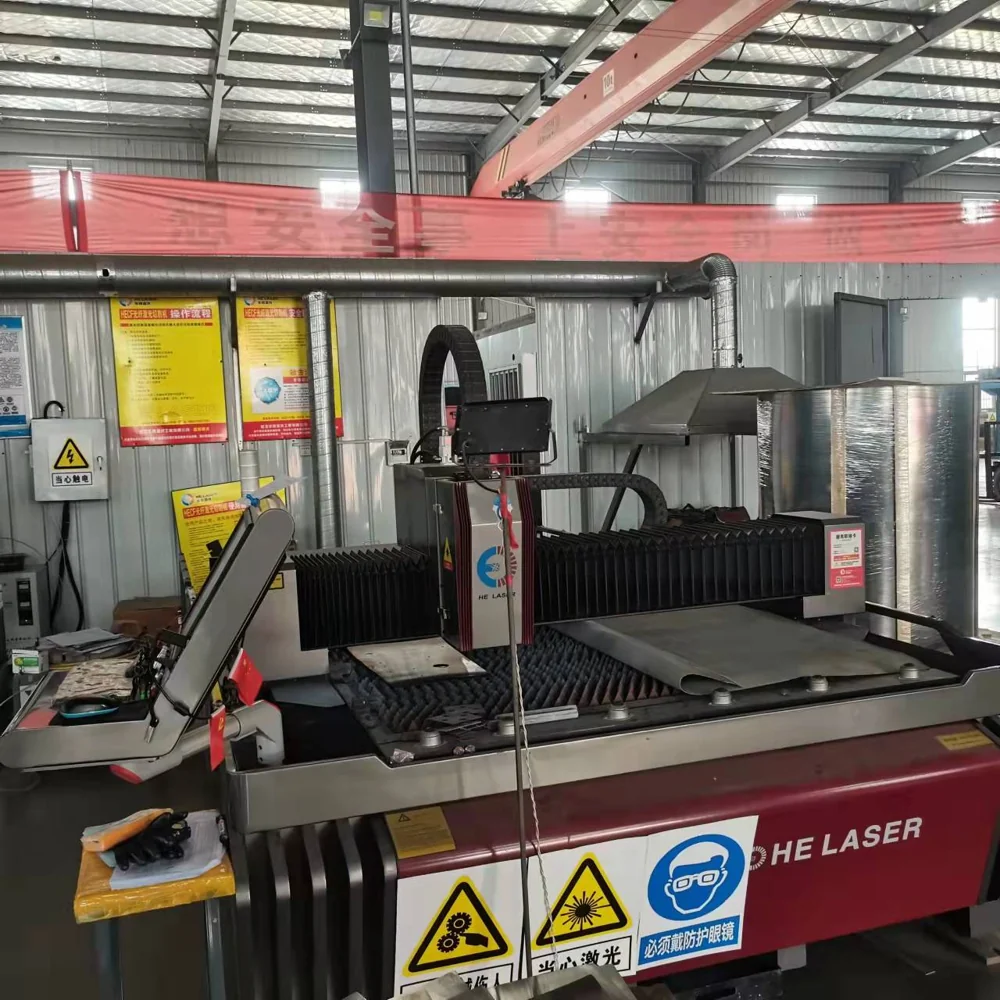
Cutting & sheet fabrication
Cut blanks, sheet profiles, holes and formed parts begin with thickness, edge condition and bend details. Laser cutting and further fabrication are assessed for the material and section.
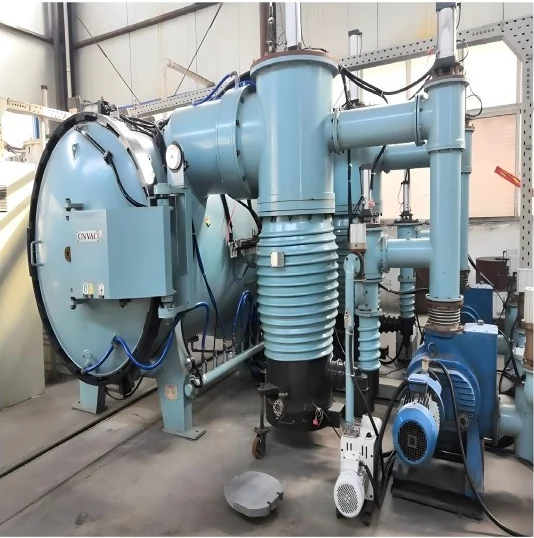
Thermal parts & assemblies
Heat shields, heating elements, supports, crucibles and fixtures require coordinated geometry. Define the atmosphere, thermal cycle, load and attachment interfaces for the manufacturing review.
| Part or process | What to define | What guides the manufacturing review |
|---|---|---|
| Turning and milling | Diameters, steps, holes, threads, datum faces and critical fits | Grade, part rigidity, tool access and required surface condition |
| Wire-cut profiles | Cut outline, internal corners, slots and thin features | Conductive material, thickness, access and edge requirements |
| Flat and formed parts | Thickness, outline, holes, bend radius and flatness | Material condition, forming sequence and further machining |
| Thermal assemblies | Shields, heaters, supports, fasteners and mating geometry | Temperature cycle, atmosphere, clearances and load |
| Surface condition | Turned, ground, cleaned or other specified finish | Final function, contamination limits and acceptance checks |
On smaller screens, scroll the table horizontally.
The table describes project requirements to discuss. Achievable dimensions, tolerances and processing options are confirmed for the selected material and geometry.
Material families for custom manufacture
Use the grade required by your drawing or equipment specification. Pure metals, alloys and composites have different processing requirements. A material name alone does not define the finished part.
Tungsten & molybdenum
Flat products, rods, crucibles, electrodes and specified thermal or equipment components.
Other non-ferrous metals
Niobium, tantalum, titanium, zirconium and nickel forms and drawing-based parts.
Alloys & composites
TZM, MoLa, W–Mo, W–Cu and tungsten heavy alloys, specified by the required grade.
Finished components
Electrodes, furnace parts, chamber components, fixtures and custom geometries.
Pure tungsten, tungsten heavy alloy and cemented carbide are separate material systems. Metal molybdenum heating elements and MoSi2 heaters are also distinct products. Identify the exact material before reviewing a manufacturing route.
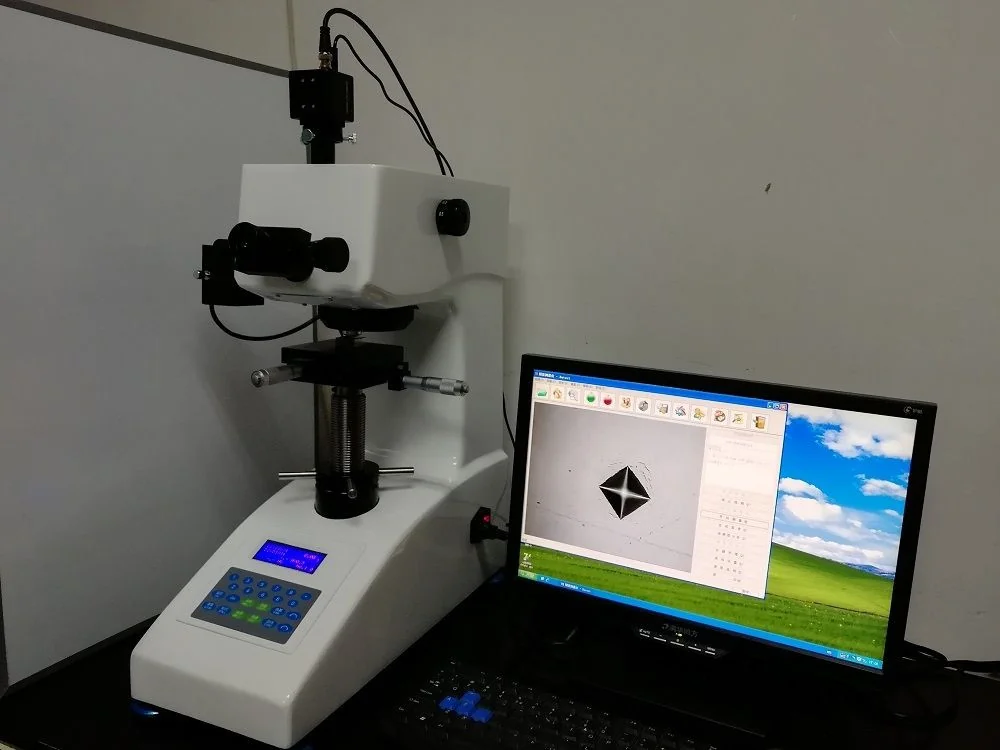
Inspection starts with your acceptance criteria
Mark critical dimensions, datum references, fit surfaces and inspection points on the drawing. Define the required material identification, finish and documentation alongside the manufacturing requirements.
Checks and records to agree
- Material grade, standard and any requested batch documentation.
- Dimensions and features that control assembly or operation.
- Surface condition, cleanliness and handling requirements.
- Any additional test method, sampling scope or acceptance record.
Availability and scope of material reports, microstructure checks or other tests are agreed during quotation. The inspection specification follows the actual part rather than one universal checklist.
From your drawing to an agreed manufacturing scope
01 · Define the requirement
Send the drawing revision, material grade, quantity and application. A sketch or sample photograph can start the discussion.
02 · Review the route
Discuss machining, cutting, forming or assembly, with attention to critical features and the intended service conditions.
03 · Agree the scope
Confirm the part specification, inspection documents, packaging, destination and requested schedule as part of the quotation.
04 · Manufacture & inspect
Production and acceptance checks follow the agreed scope. Identify any drawing or material changes when ordering again.
For a furnace or process-contact part, include temperature, atmosphere, chemical exposure and mechanical load. For a replacement, share the original specification and explain the operating problem as well as the geometry.
Custom manufacturing questions
Can you manufacture tungsten and molybdenum parts to my drawing?
Yes. Drawing-based tungsten and molybdenum enquiries are central to our custom manufacturing work. Include the grade, dimensions, critical tolerances and service conditions so the manufacturing route can be reviewed.
Can I enquire before the drawing is complete?
Yes. Send a sketch, photograph or description of the function to begin. Critical dimensions, material and acceptance requirements then need to be defined for a concrete quotation and manufacture.
What machining tolerances or lead time can you offer?
They depend on material, geometry, quantity, finish and inspection scope. Mark your required tolerances and requested schedule; the achievable specification and timing are confirmed for the project.
Do all materials use the same machining and fabrication process?
No. Pure metals, alloys and composites require different processing decisions. The grade, thickness, feature geometry and final condition determine the appropriate route.
How should I send drawings and inspection requirements?
Email your drawings and procurement requirements to sales@bomometals.com. Include the drawing revision, units, material designation, quantity, destination and requested inspection records.
Send your custom manufacturing requirement
Email your drawing or application requirements to sales@bomometals.com. These inputs help define a useful quotation; you can start with the information already available.
| Input | Useful details |
|---|---|
| Material | Pure metal or exact alloy/composite grade, required standard and material condition |
| Drawing and geometry | Drawing revision, units, 2D/3D information, dimensions and mating features |
| Tolerances and surface | Critical dimensions, datum references, finish, cleanliness and inspection points |
| Application | Equipment function, temperature, atmosphere, process medium and load |
| Quantity and destination | Sample or production quantity, requested schedule and delivery country |
| Inspection and packing | Documents, test methods, acceptance criteria and packaging requests |
On smaller screens, scroll the table horizontally.
For buyers in South Korea, Russia, Pakistan and other destinations, include the delivery location and required documentation so logistics can be discussed with the manufacturing scope.