
PRODUCT FAMILY · MADE TO YOUR REQUIREMENTS
Custom Molybdenum & Tungsten Crucibles
Explore custom molybdenum and tungsten crucibles, process containers and replacement vessel geometries. Use the product pages below to define the material and drawing, including wall and base dimensions, lid or rim details, charge material and operating atmosphere. Suitability and inspection scope are reviewed for the individual process.
Explore products ↓Applications & requirements ↓Explore crucibles & containers
Select a product for material-specific information, custom options and enquiry details.
01
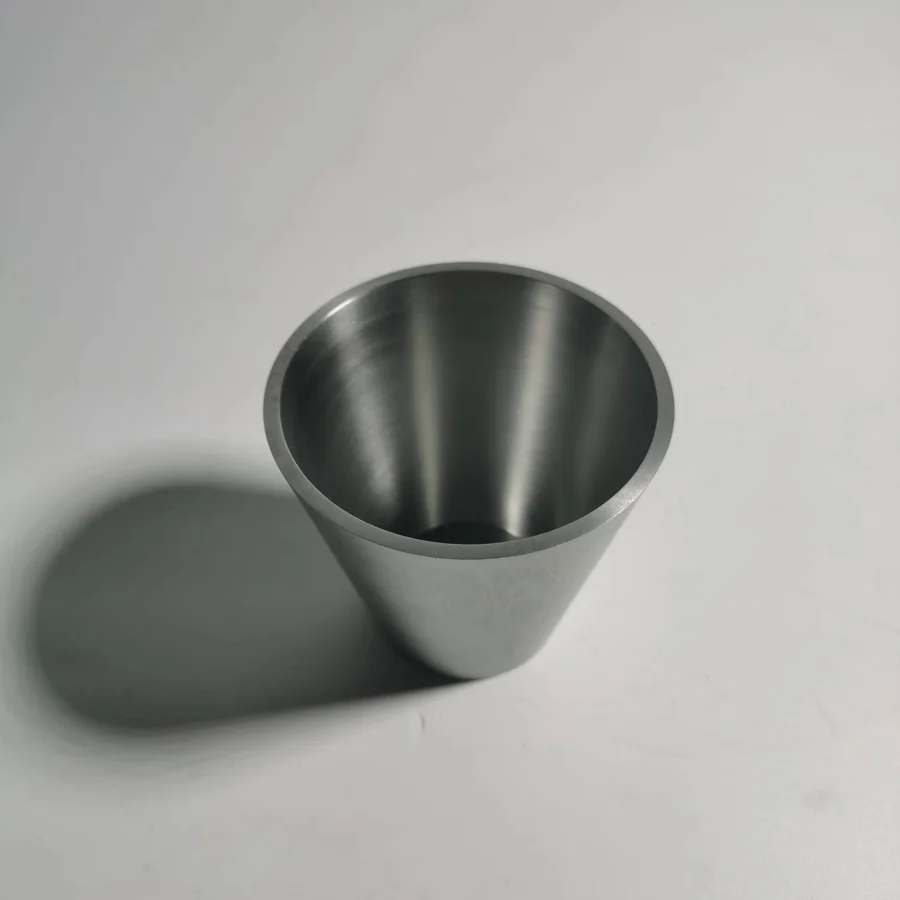
Molybdenum crucibles →
Molybdenum container geometries reviewed against the charge, thermal cycle and material specification.
02
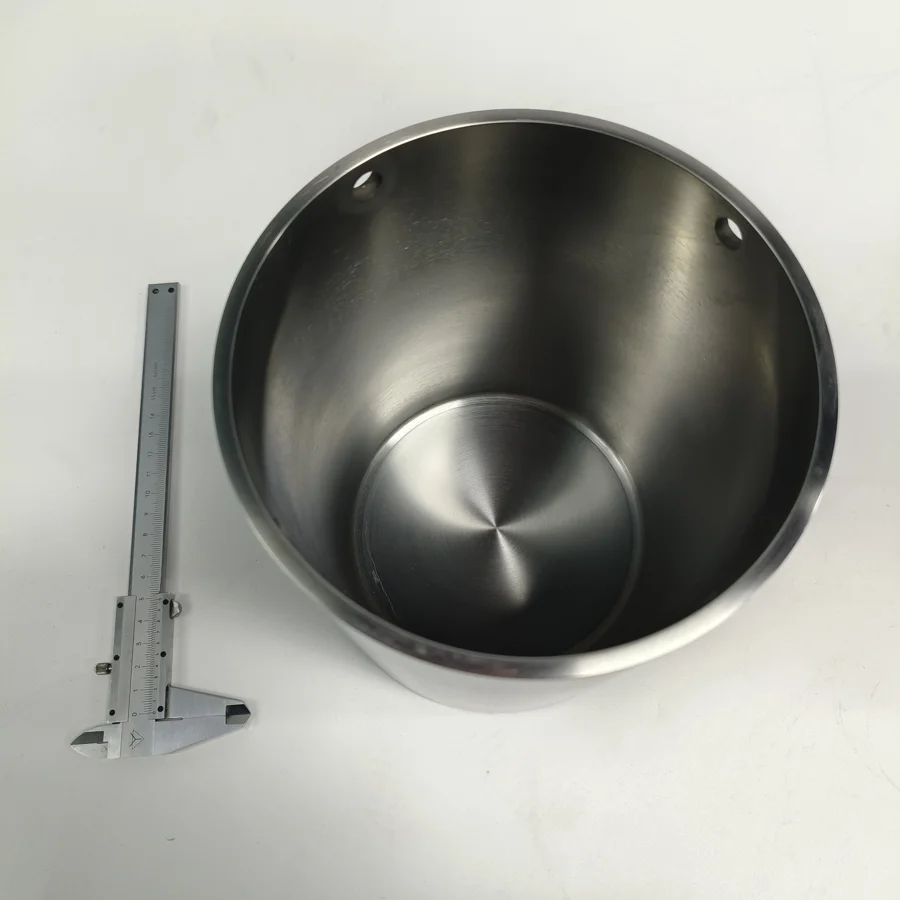
Tungsten crucibles →
Tungsten crucibles for defined process duties, with wall geometry, capacity and installation details specified.
Specify the vessel, charge and operating conditions
Choose the material-specific page first, then define the complete vessel and process. A suitable crucible specification combines material identity, charge compatibility, geometry and the thermal environment.
| Requirement | Information to provide | Product or resource |
|---|---|---|
| Molybdenum vessel | Required grade and condition, charge composition, atmosphere, heating method and thermal cycle. | Molybdenum crucibles |
| Tungsten vessel | Tungsten specification, contact materials, temperature cycle, support arrangement and equipment interfaces. | Tungsten crucibles |
| Lid, wall and base geometry | Inner and outer dimensions; wall and base thickness; taper, rim, lid fit and usable capacity. Show critical dimensions on a drawing. | Include the vessel and lid as separate drawing items where applicable. |
| Acceptance and handling | Critical features to measure, required material or dimensional records, surface requirements and protection during delivery. | Inspection and documentation requirements |
On smaller screens, scroll the table horizontally.
Molybdenum and tungsten are not interchangeable solely because both are refractory metals. The charge material, atmosphere, heating method and thermal cycle must be considered together; a melting point is not a continuous-use rating or a compatibility guarantee. If you are replacing a vessel, include its drawing or sample dimensions and the service issue to be reviewed.
Applications & operating context
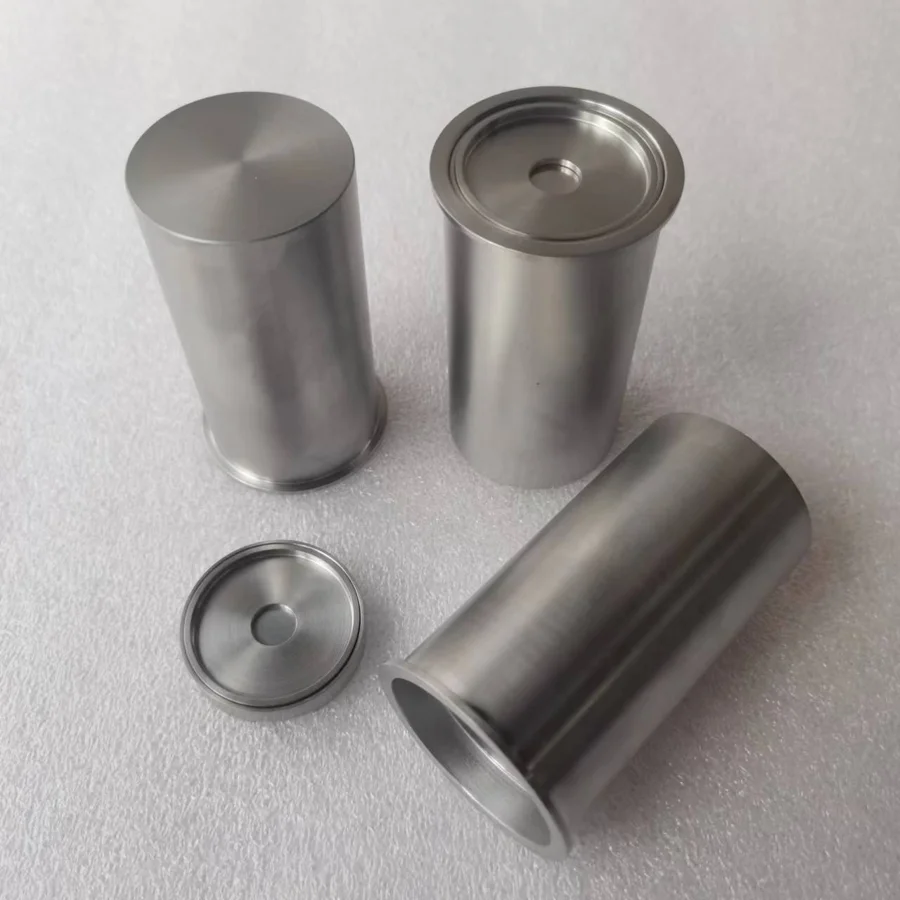
Melting processes
Provide charge chemistry, required capacity, atmosphere and heating method. Chemical compatibility and thermal duty need to be reviewed together.
Crystal-growth equipment
Define the vessel profile, mounting arrangement, thermal gradients and cycle. Include the equipment drawing and acceptance requirements.
Evaporation and laboratory work
For boats, small containers or replacement vessels, describe the process material, working environment and mounting interfaces.
The application is a starting point for review. Suitability depends on the selected material, geometry and operating conditions; material melting points are not service-temperature ratings.
Define the part before quotation
Container geometry
Inner and outer dimensions, wall/base thickness, taper, rim, lid and usable capacity.
Process conditions
Charge material, heating method, atmosphere, cycle and required cleanliness.
Assembly interfaces
Support, seating and handling features, plus any mating components or replacement references.
Include the material grade or standard, quantity, inspection documents, destination and requested schedule. Feasibility, acceptance criteria and lead time are confirmed for the individual project.
Send your drawing or initial requirement
A complete drawing helps, but a sketch or description can start the discussion. Identify what is known and what needs review.
Request a custom quotation →All product families →