
PRODUCT FAMILY · MADE TO YOUR REQUIREMENTS
Tungsten & Molybdenum Sheets, Rods & Blanks
Find tungsten and molybdenum sheets, plates, rods and blanks for drawing-based components. Choose the starting form below, then specify the grade, delivered dimensions, material condition and machining allowance. Share the finished drawing when the material will be cut, formed or machined after delivery.
Explore products ↓Applications & requirements ↓Blank or finished part? ↓Explore sheets, rods & blanks
Select a product for material-specific information, custom options and enquiry details.
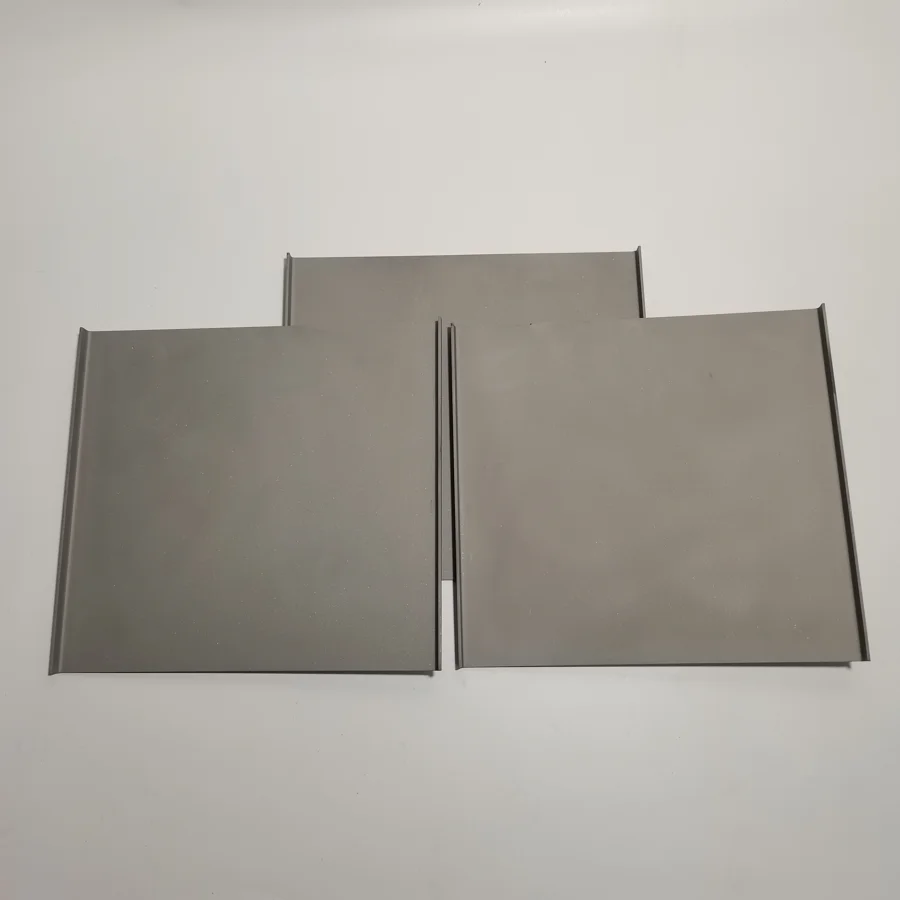
01
Molybdenum sheet & plate →
Flat material for formed parts, shielding and drawing-based cut pieces. Specify thickness, flatness, cut edges and any holes.
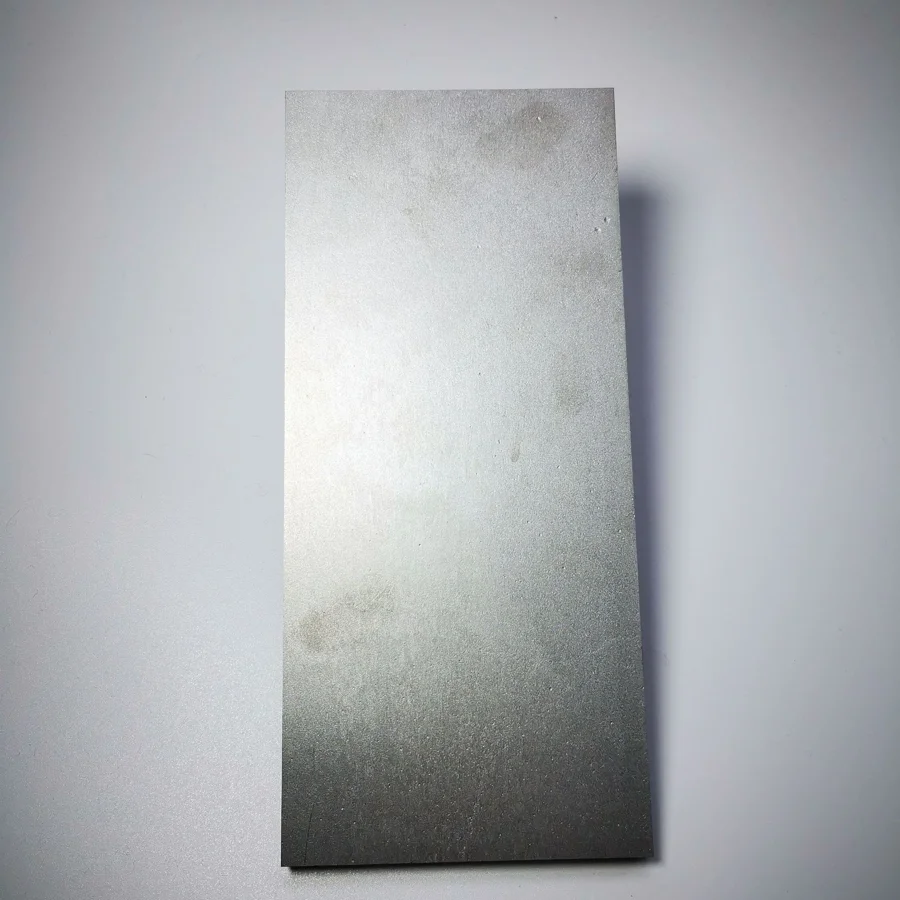
02
Tungsten sheet & plate →
Tungsten flat products for specified thermal, tooling or equipment duties. Define the grade, thickness and finished dimensions.
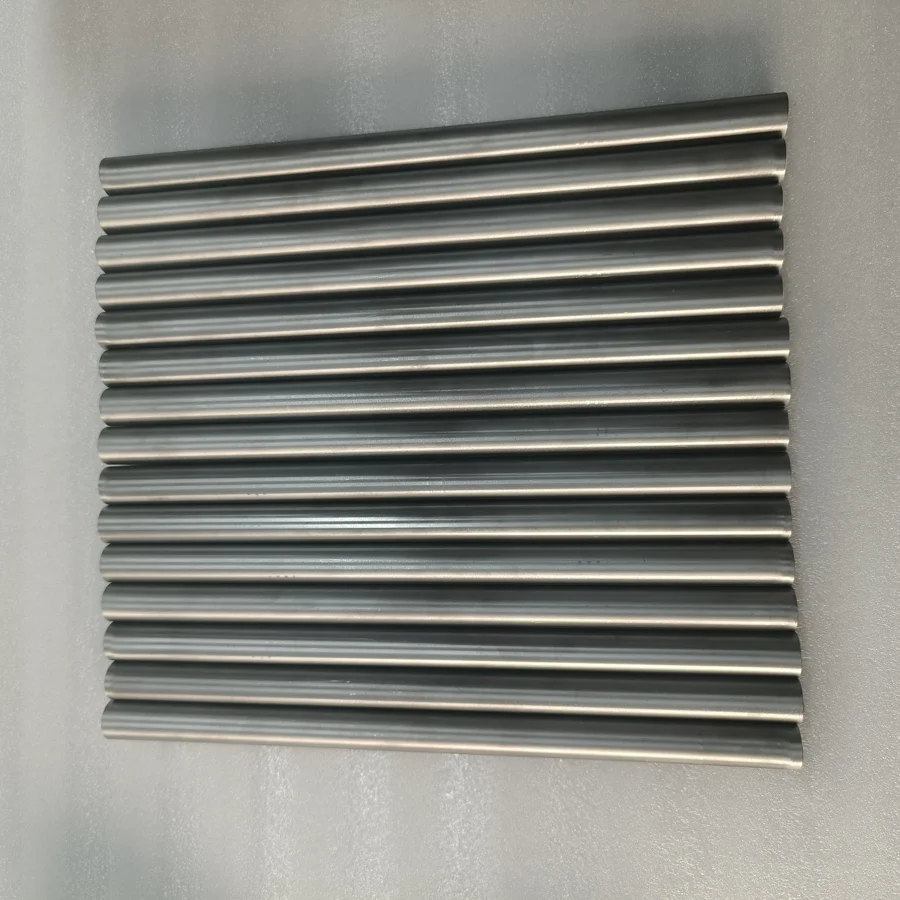
03
Molybdenum rods →
Round material and rod blanks for machining or component production. Identify diameter, length, straightness and surface requirements.
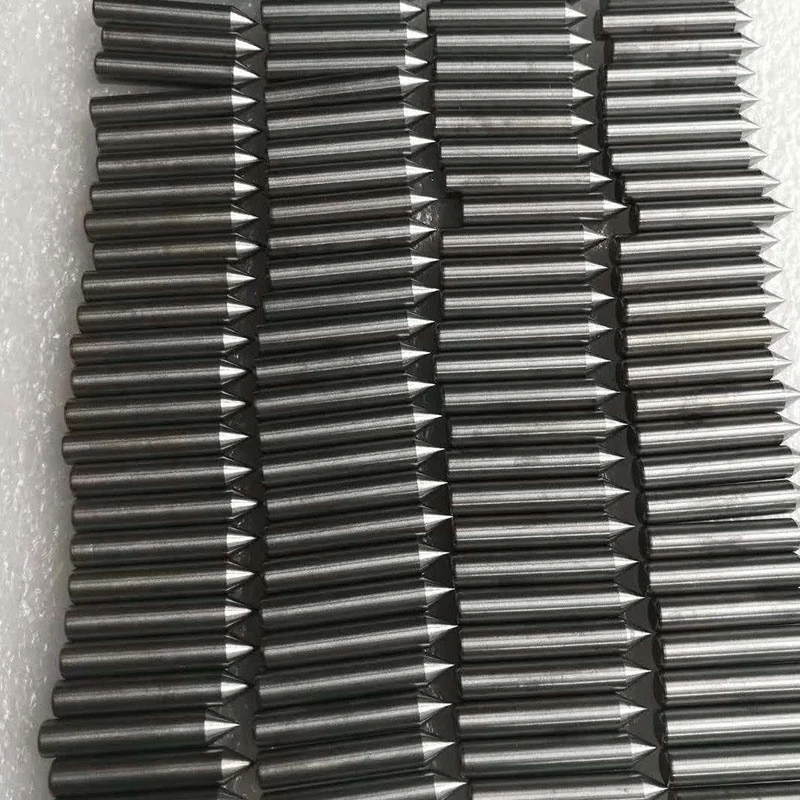
04
Tungsten rods →
Tungsten rod forms for drawing-based parts. Specify the material grade, diameter, length and any machining allowance.
Choose the starting form for your finished part
A sheet, plate, rod or blank describes the starting geometry. Specify both the delivered size and the finished-part requirement so the material and machining scope can be reviewed together.
| Starting form | Drawing and delivery inputs | Continue to the product |
|---|---|---|
| Sheet or plate | Thickness, width and length; flatness; edge condition; holes or cut outline; rolling direction if specified. | Molybdenum sheet & plate Tungsten sheet & plate |
| Round rod or bar | Delivered diameter and length, straightness, surface condition and any allowance for later machining. | Molybdenum rods Tungsten rods |
| Machining blank | Starting section and finished drawing; which faces or features will be machined after delivery; allowance on each relevant surface. | Use the closest sheet, plate or rod page, or send a custom blank enquiry. |
On smaller screens, scroll the table horizontally.
State whether the requirement is molybdenum, tungsten or a named alloy such as TZM or MoLa. Include the material condition and further processing. If a forged blank or a specific manufacturing route is required, identify that requirement for review with the drawing; the term “blank” alone does not define the production route.
Applications & operating context
Thermal assemblies
Flat pieces can be reviewed for shields and formed furnace parts. Provide atmosphere, thermal cycles, layer layout and joining details.
Machined equipment parts
Rod and plate blanks may be the starting material for shafts, supports or custom geometries. Distinguish raw stock dimensions from finished features.
Tooling and fixtures
Define the contact surfaces, loads and processing route. Material selection and achievable geometry are reviewed for the actual duty.
The application is a starting point for review. Suitability depends on the selected material, geometry and operating conditions; material melting points are not service-temperature ratings.
Define the part before quotation
Flat products
Thickness, width, length, flatness, edge condition and rolling direction if specified.
Rods and blanks
Diameter or section, length, straightness, surface condition and machining allowance.
Further processing
Tell us whether you will machine, form, join or heat-treat the material after delivery.
Include the material grade or standard, quantity, inspection documents, destination and requested schedule. Feasibility, acceptance criteria and lead time are confirmed for the individual project.
BUYER’S GUIDE · DELIVERY CONDITION
Material blank, semi-finished form or finished part?
Specify the condition you need on delivery, not only the name of the metal. A material blank retains stock for later processing; a semi-finished form has some operations completed; a finished part is ordered to its agreed final drawing. The required dimensions, surfaces and inspection records differ at each stage.
| Delivery stage | Example enquiry | What the drawing should distinguish |
|---|---|---|
| Material blank | A molybdenum plate or rod for your later machining. | Delivered stock dimensions, condition and allowance; the final part drawing is context, not automatically the delivery acceptance drawing. |
| Semi-finished form | A partly formed niobium container for further joining or finishing. | Operations already required, features left unfinished and responsibility for subsequent processing. |
| Finished component | A niobium process boat or machined refractory-metal component to an agreed drawing. | Final envelope and internal geometry, mating features, surface requirements and delivery acceptance checks. |
On smaller screens, scroll the comparison table horizontally.
State machining allowance by surface
“Leave machining allowance” is incomplete without a location and amount. Mark the faces, diameters or ends that retain stock and distinguish an allowance per side from an allowance on the overall dimension. If the amount is undecided, ask for a proposal rather than silently treating a finished dimension as a blank size. No universal allowance is implied for tungsten, molybdenum or their alloys.
Use the same drawing revision throughout the quotation
Identify units, datum surfaces, critical dimensions and any process route you require. The word “blank” does not specify forging, extrusion or another manufacturing route. If you require a forged blank, define that separately for feasibility review. Pure metal, TZM, MoLa and other named alloys are not interchangeable material descriptions.
Turn the examples into a clear request
For the niobium boat example, define the inside space, wall/base details and support interfaces. For molybdenum sheet and plate or tungsten rods, state the delivered section, length, surface condition and planned next operation. A photo shows form; it does not verify material chemistry or a dimensional tolerance.
A practical enquiry note is: “Quote the stated material and delivery stage to drawing revision shown. List machining allowance by surface, unfinished features and proposed deviations separately; identify the inspection documents included.” This is guidance you can adapt, not an actual customer order or a capability guarantee.
Review inspection and documentation requirements and manufacturing capabilities. If your part is already a vessel or electrode, continue to crucibles and containers or electrode components for the relevant operating inputs.
Discuss your delivery condition →Send your drawing or initial requirement
A complete drawing helps, but a sketch or description can start the discussion. Identify what is known and what needs review.
Request a custom quotation →All product families →