
MATERIAL SELECTION · CUSTOM METAL PARTS
Materials for your custom metal project
Explore tungsten, molybdenum, selected non-ferrous metals, alloys and composites. Start with the material named on your drawing, or use the operating conditions to guide the review. Each entry connects material information with product forms and custom requirements.
Browse metals
Compare the material information, then select the form or component needed for your project. Niobium and tantalum are also refractory metals; the entries below provide direct access without duplicating products.
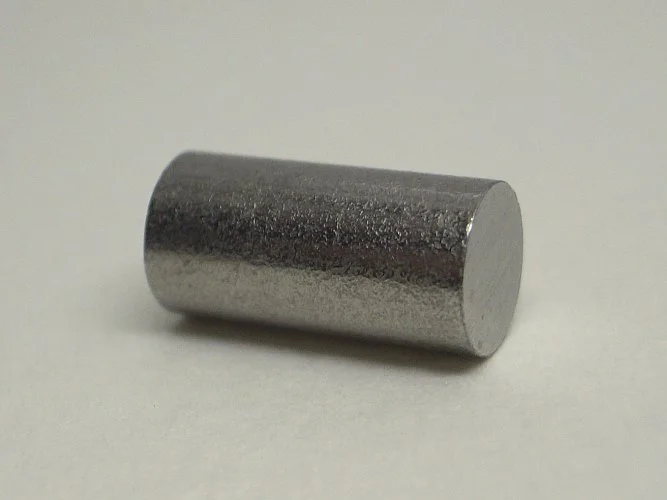
Tungsten →
Explore plate, rod, crucible and other tungsten forms. Specify the grade, dimensions and operating atmosphere.
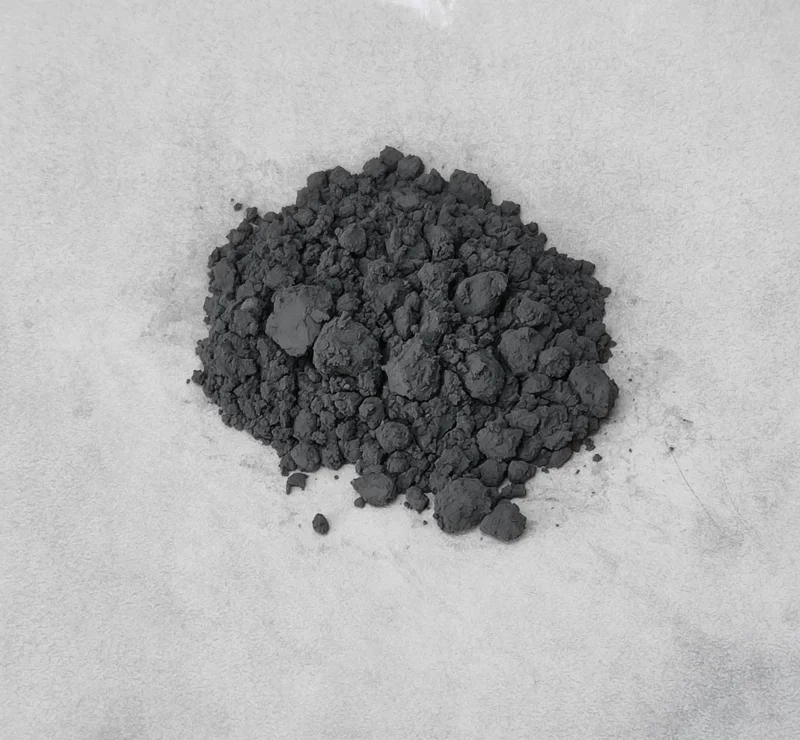
Molybdenum →
Explore flat products, rods, electrodes, crucibles and furnace parts, with properties and drawing inputs.
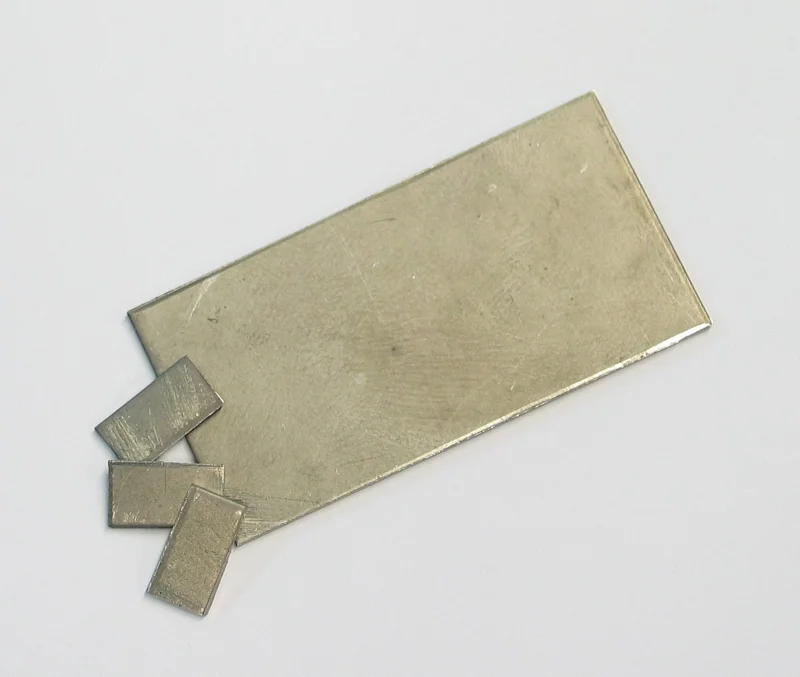
Niobium →
Review niobium forms and drawing-based parts against the required material specification.
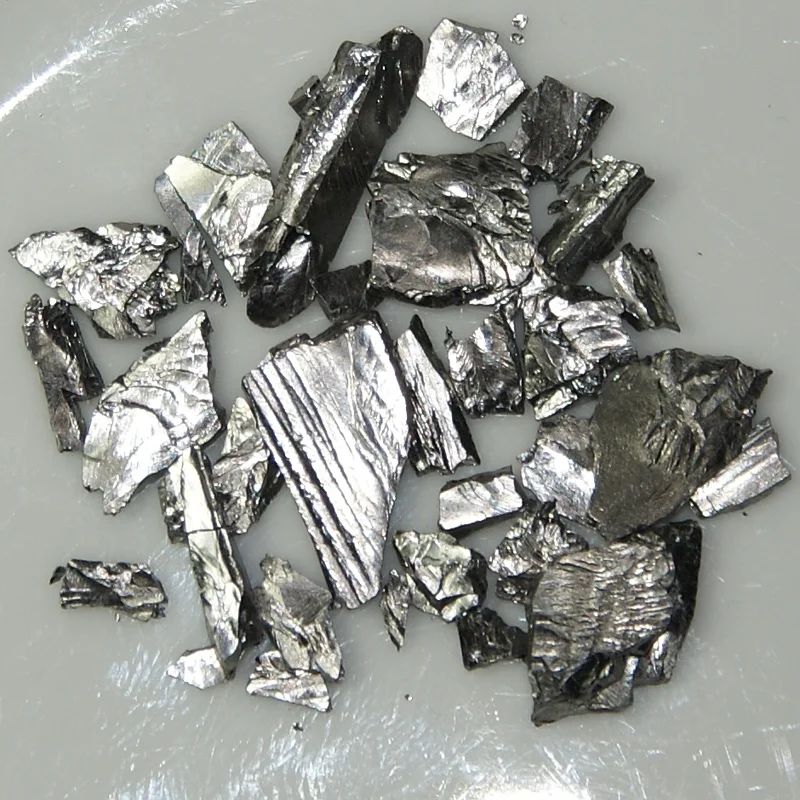
Tantalum →
Start with the required tantalum grade, geometry, contact materials and service conditions.
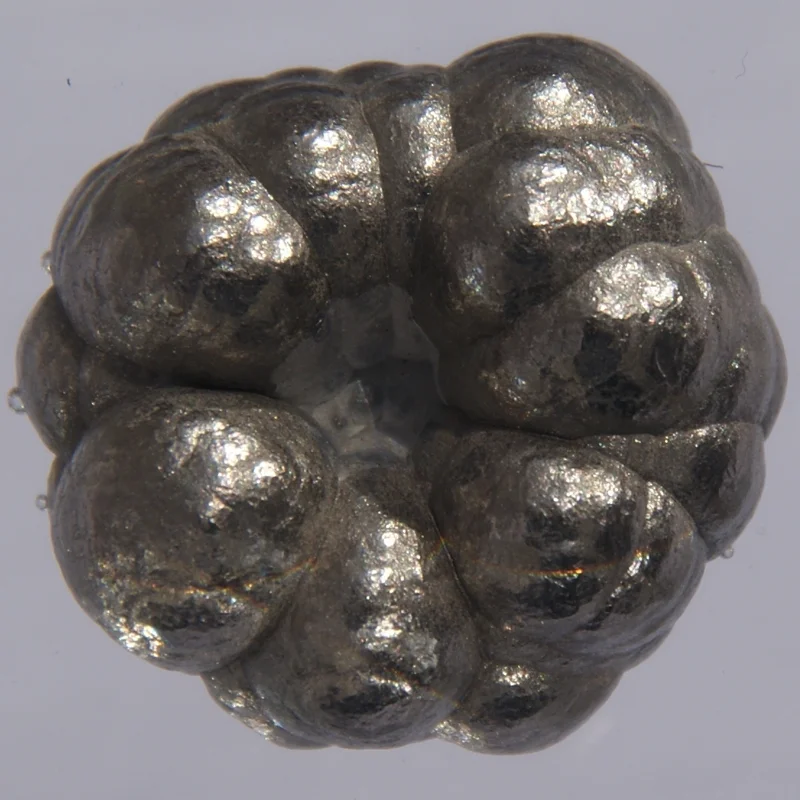
Nickel →
Specify nickel grade, product form, dimensions and the environment in which the part will operate.
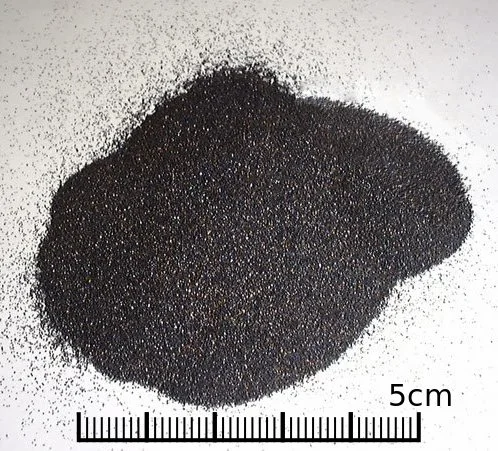
Titanium →
Identify the titanium grade and drawing requirements before reviewing the manufacturing route.
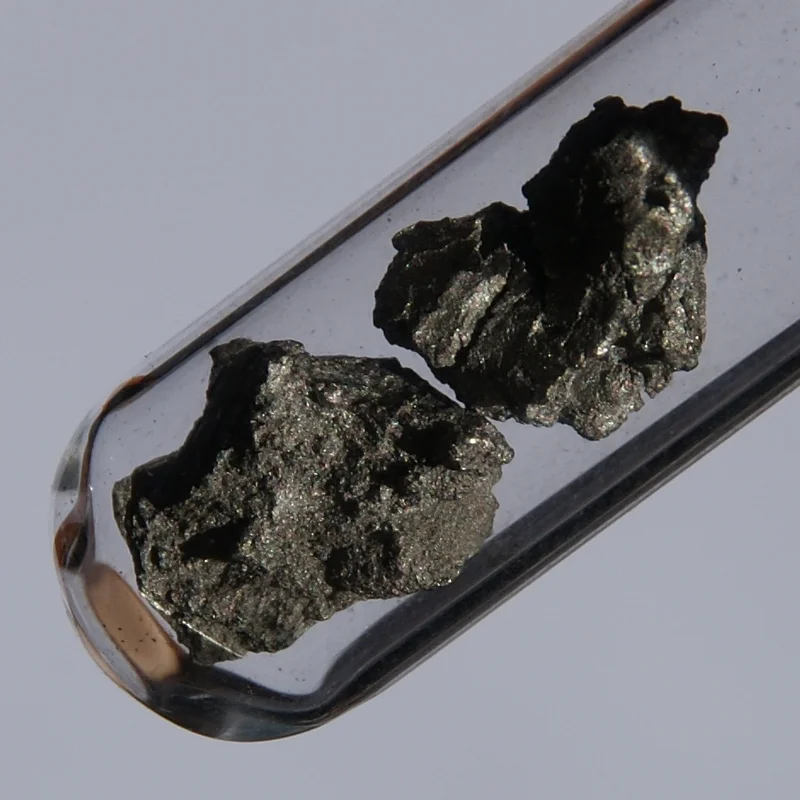
Zirconium →
Define zirconium grade, component geometry and the required documentation for your project.
Material reference photographs. Delivered grade, form and specifications are confirmed for each project.
Material image credits
Reference photographs, resized as WebP and cropped/shaded for display. Adapted images remain available under the licenses listed below.
- Tungsten — W. Oelen · CC BY-SA 3.0
- Molybdenum — Leiem · CC BY-SA 4.0
- Niobium — Dschwen · CC BY 2.5
- Tantalum — Hi-Res Images of Chemical Elements · CC BY 3.0
- Nickel — Jurii · CC BY 3.0
- Titanium — USGS · Public domain
- Zirconium — Jurii · CC BY 3.0
Alloys & composites
Pure metals, alloys and composites require different specifications. Name the exact grade or composition in your enquiry.
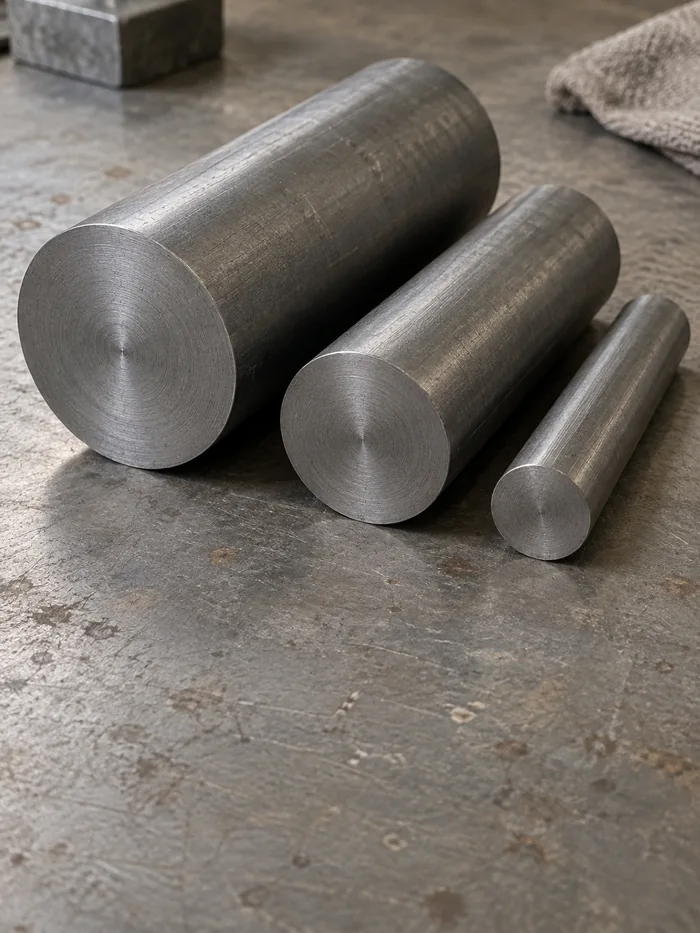
TZM alloy →
A separately specified molybdenum alloy; define composition, condition and thermal requirements.
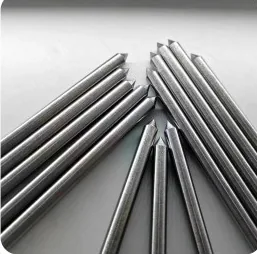
Molybdenum–lanthanum →
Review the required grade, material condition and geometry for your component.
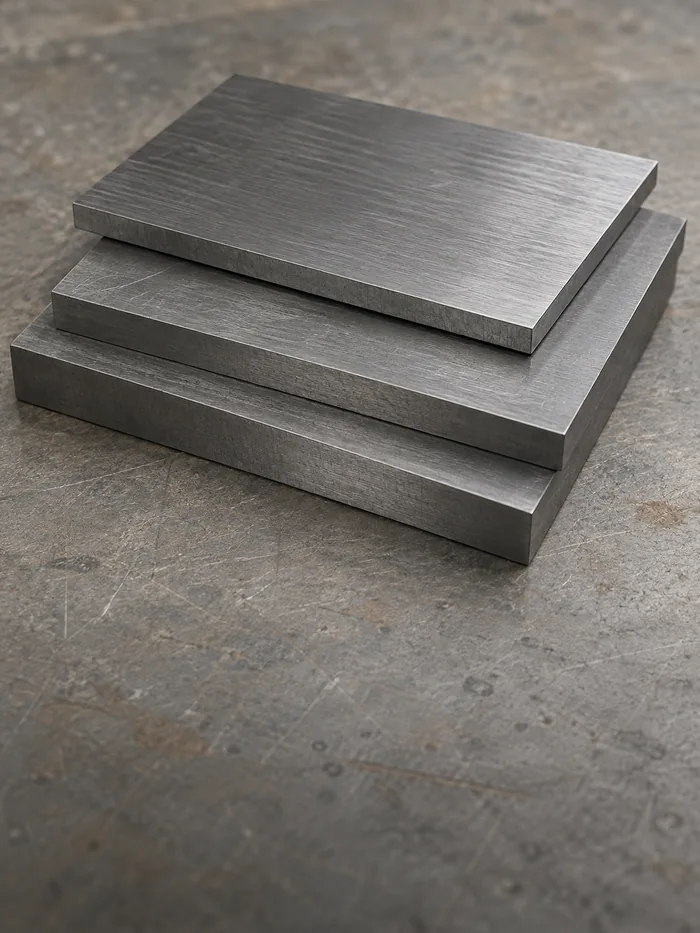
Tungsten–molybdenum →
Identify the required tungsten–molybdenum composition and product specification.
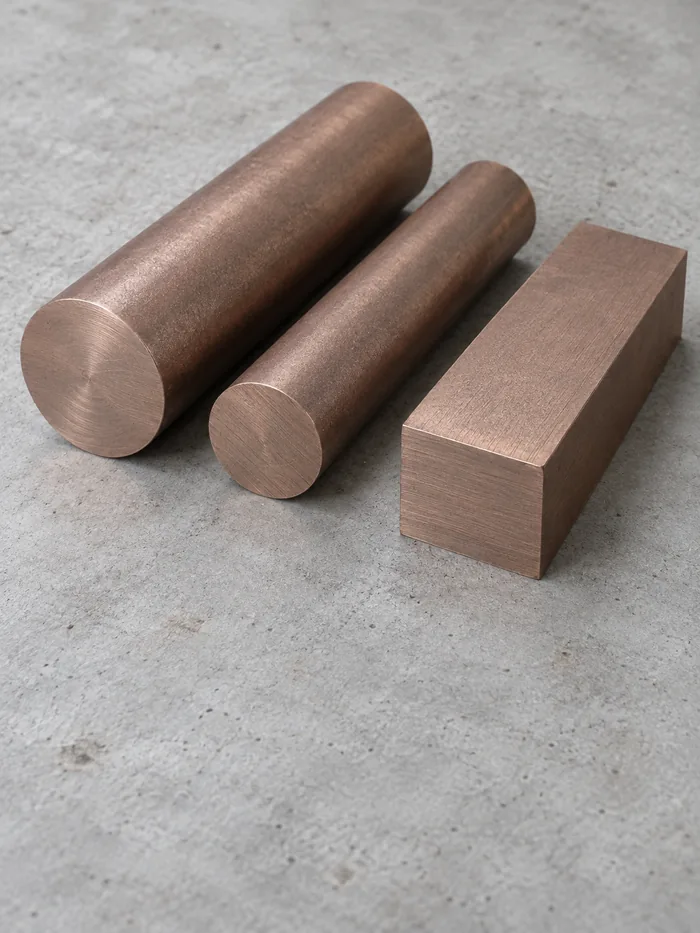
Tungsten–copper composite →
Specify the tungsten/copper composition and the thermal or electrical requirements.
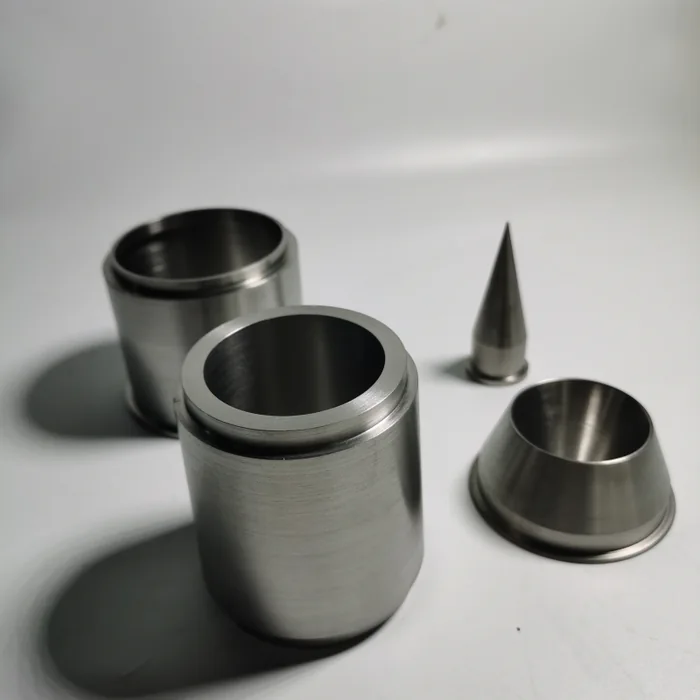
Tungsten heavy alloy →
Specify the alloy composition and component function; this is distinct from pure tungsten and cemented carbide.
Photographs and product-form illustrations are visual references. Alloy composition, material condition and dimensions are confirmed for each order.
Connect the material to your part
1. Define the material
Give the grade, chemistry or standard required by your drawing. Identify any required material condition and documents.
2. Describe the operating conditions
Include atmosphere, thermal cycles, load, contact materials and component function. A melting point alone does not define suitability.
3. Specify the geometry
Share dimensions, critical tolerances, finish and quantity. The manufacturing and inspection scope is confirmed for the actual part.
Not sure which material to use? An application description, sketch or sample dimensions can start the discussion.