Thermal load with mechanical duty
Consider TZM when the part must retain its function under temperature and load; define both in the enquiry.

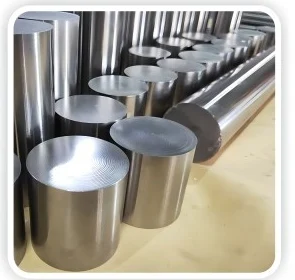
Consider TZM when the part must retain its function under temperature and load; define both in the enquiry.
Titanium, zirconium and carbon distinguish TZM chemistry from unalloyed molybdenum.
Rod, plate and finished parts can require different processing states and property documentation.
| Property / specification | Reference or selection | Procurement meaning |
|---|---|---|
| Material system | Molybdenum with Ti, Zr and C additions | TZM is distinct from pure Mo and oxide-dispersed MoLa |
| Nominal Ti / Zr | 0.5 wt% Ti / 0.08 wt% Zr | Typical published TZM composition; use the selected material standard |
| Typical carbon range | 0.01–0.04 wt% C | Reference composition; certificate and agreed chemistry govern delivery |
| Mo content | Balance | Specify permitted impurities and material condition |
| Mechanical / thermal values | Grade, condition and temperature dependent | Request the property and test conditions required by your design |
Reference basis: Published molybdenum-alloy reference. These values or composition examples describe the material family. They are not guaranteed values for every delivered grade or finished component.
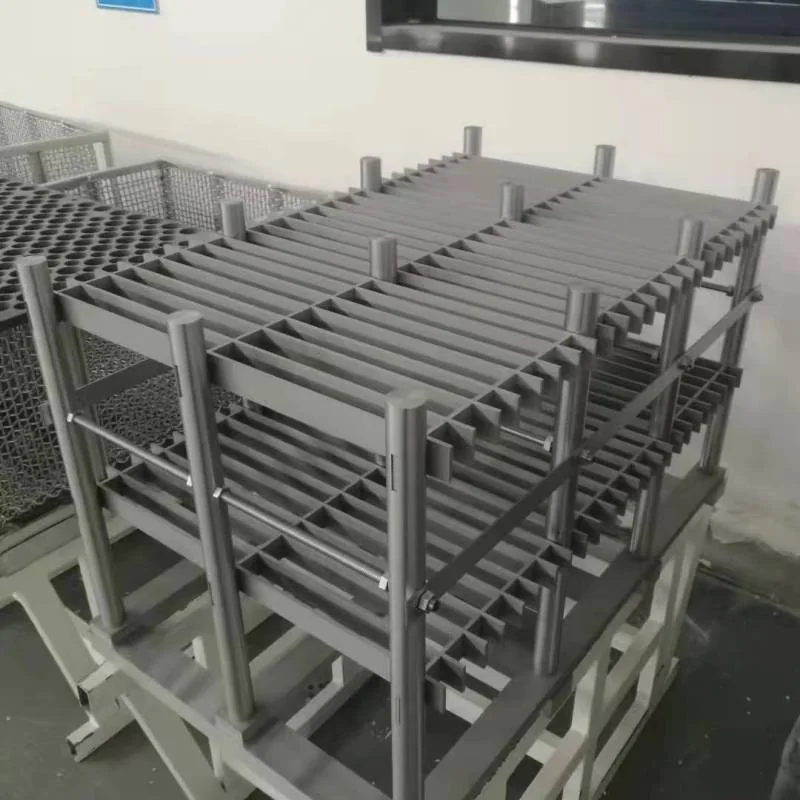
Connect the material choice to the finished component: identify the process, contact surfaces, operating conditions and critical assembly interfaces.
Use the examples below to prepare a drawing-based enquiry. Final material suitability and achievable geometry are reviewed for your project.
Supports, fixtures and other specified thermal components need load, atmosphere and cycle details.
Provide contact material, mechanical duty and drawing details before selecting the grade and treatment.
State machining allowance, final geometry and any material-state requirements.
| Order input | Custom scope | What to send |
|---|---|---|
| Material and grade | Sheet, plate, rod and drawing-based components | Exact grade, standard, chemistry and delivered condition |
| Dimensions and features | Length, width, thickness, diameter or part geometry | Drawing revision, critical tolerances, interfaces and machining allowance |
| Surface and fabrication | Finish, cleaning, cutting or machining requirements | Mark acceptance surfaces, joining details and any permitted process route |
| Duty and documentation | Operating conditions, quantity and required checks | Include material documents, dimensional inspection, destination and requested schedule |