Composition as a design input
The W/Mo ratio is central to selection. Provide an existing grade or a required composition.

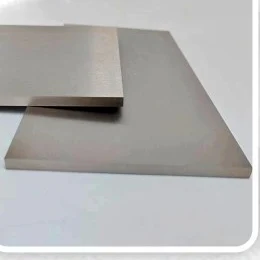
The W/Mo ratio is central to selection. Provide an existing grade or a required composition.
Review the material against atmosphere, cycle, mechanical load and contact media together.
State chemistry, form and condition on the same drawing so the material name cannot be misread.
| Property / specification | Reference or selection | Procurement meaning |
|---|---|---|
| Constituent metals | Tungsten and molybdenum | Name the required material designation and fraction basis |
| Brochure composition examples | Mo–30W / Mo–50W | Specify the tungsten weight fraction; examples are not a fixed catalogue |
| Density / melting behaviour | Composition dependent | Do not use pure tungsten or pure molybdenum values as the alloy specification |
| Delivered form | Plate, rod or custom geometry to discuss | Size, condition, machining allowance and interfaces required |
| Service requirements | Thermal cycle and process-contact duty | Atmosphere, load, contact medium and inspection scope |
Reference basis: Published molybdenum-alloy reference. These values or composition examples describe the material family. They are not guaranteed values for every delivered grade or finished component.
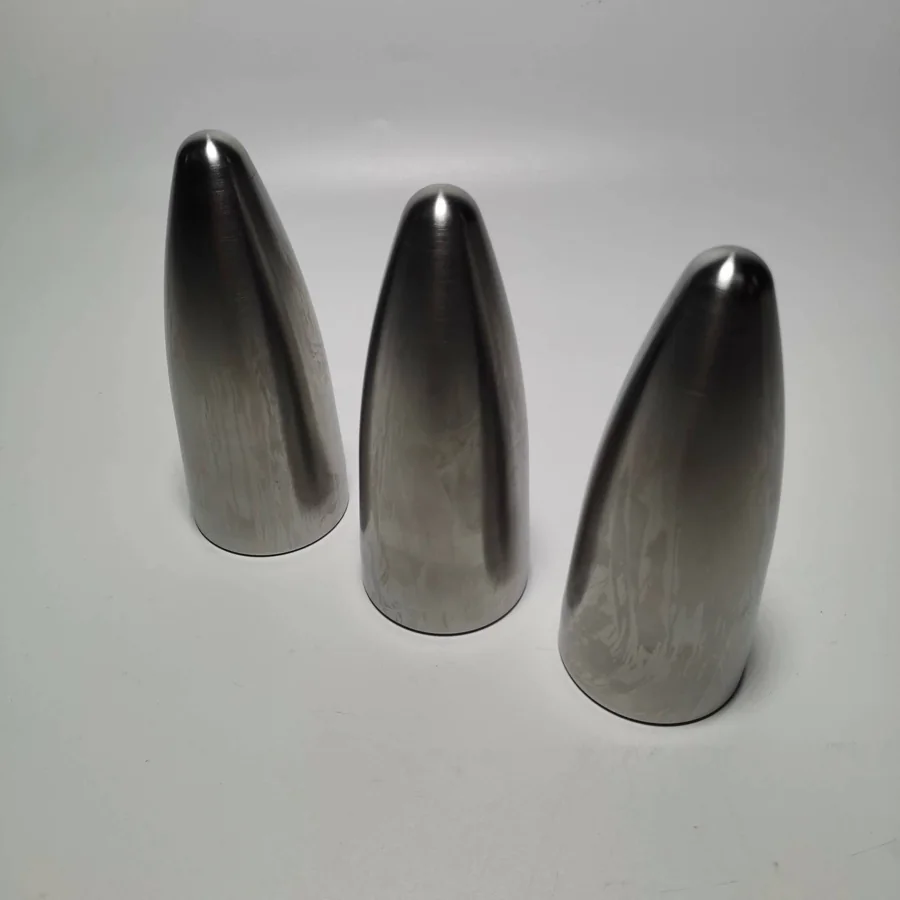
Connect the material choice to the finished component: identify the process, contact surfaces, operating conditions and critical assembly interfaces.
Use the examples below to prepare a drawing-based enquiry. Final material suitability and achievable geometry are reviewed for your project.
Define supports, shields or other geometry with the specified material composition.
Supply the contact medium and duty for a compatibility review.
Give thickness, outline, critical interfaces and finishing requirements.
| Order input | Custom scope | What to send |
|---|---|---|
| Material and grade | Flat forms, rods and custom components to discuss | Exact grade, standard, chemistry and delivered condition |
| Dimensions and features | Length, width, thickness, diameter or part geometry | Drawing revision, critical tolerances, interfaces and machining allowance |
| Surface and fabrication | Finish, cleaning, cutting or machining requirements | Mark acceptance surfaces, joining details and any permitted process route |
| Duty and documentation | Operating conditions, quantity and required checks | Include material documents, dimensional inspection, destination and requested schedule |