
PRODUCT FAMILY · MADE TO YOUR REQUIREMENTS
Custom Electrode Components
Explore molybdenum electrodes and drawing-based electrode components for glass-melting and process equipment. Start with the electrode function, then define the material, working end and electrical connection. The product detail below explains the material-specific options and information needed for quotation.
Explore products ↓Applications & requirements ↓RFQ guide ↓Explore electrodes
Select a product for material-specific information, custom options and enquiry details.
01
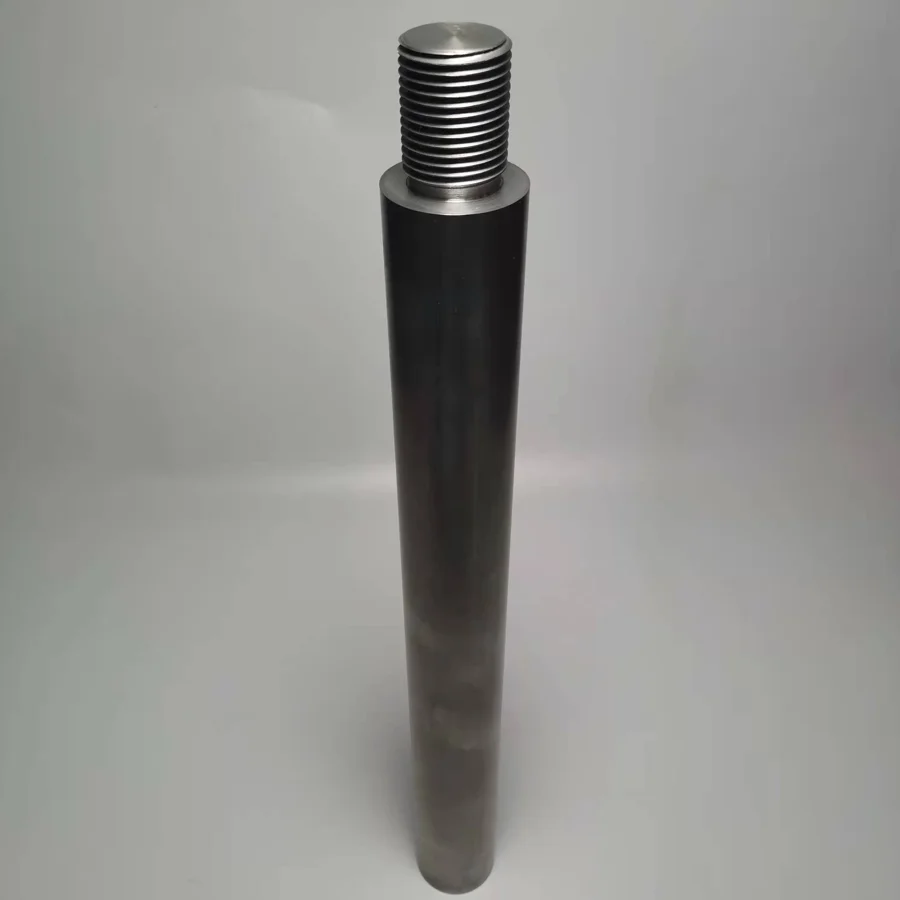
Molybdenum electrodes →
Explore molybdenum working ends, connection features and the glass composition, electrical duty and installation details needed for a custom enquiry.
Match the electrode to the process
An electrode drawing needs both a material specification and a working environment. Use the checklist below to separate the active working end from the mounting and electrical interfaces.
| Part of the requirement | What to define | Why it belongs in the enquiry |
|---|---|---|
| Material identity | Molybdenum grade, required standard, material condition and any impurity limits. | The name of the process alone does not specify the material. Pure molybdenum and copper–molybdenum composites are separate specifications. |
| Glass or process contact | Glass composition or other contact material, immersed length, atmosphere and thermal cycle. | Connect the working surface and material review to the actual process. |
| Working end and connection | Diameter, effective length, tip profile, thread, shoulder and mating dimensions. | Show which dimensions control installation, electrical contact and replacement fit. |
| Electrical duty and acceptance | Current or power, cooling arrangement, quantity and requested inspection records. | Review the complete equipment duty and agree the checks before production. |
On smaller screens, scroll the table horizontally.
For material-specific geometry and glass-melting enquiry inputs, continue to molybdenum electrodes. For broader geometry or a replacement assembly, send a dimensioned sketch through the custom electrode enquiry. BOMO Metals handles enquiries from Luoyang, China, for customers worldwide.
Applications & operating context
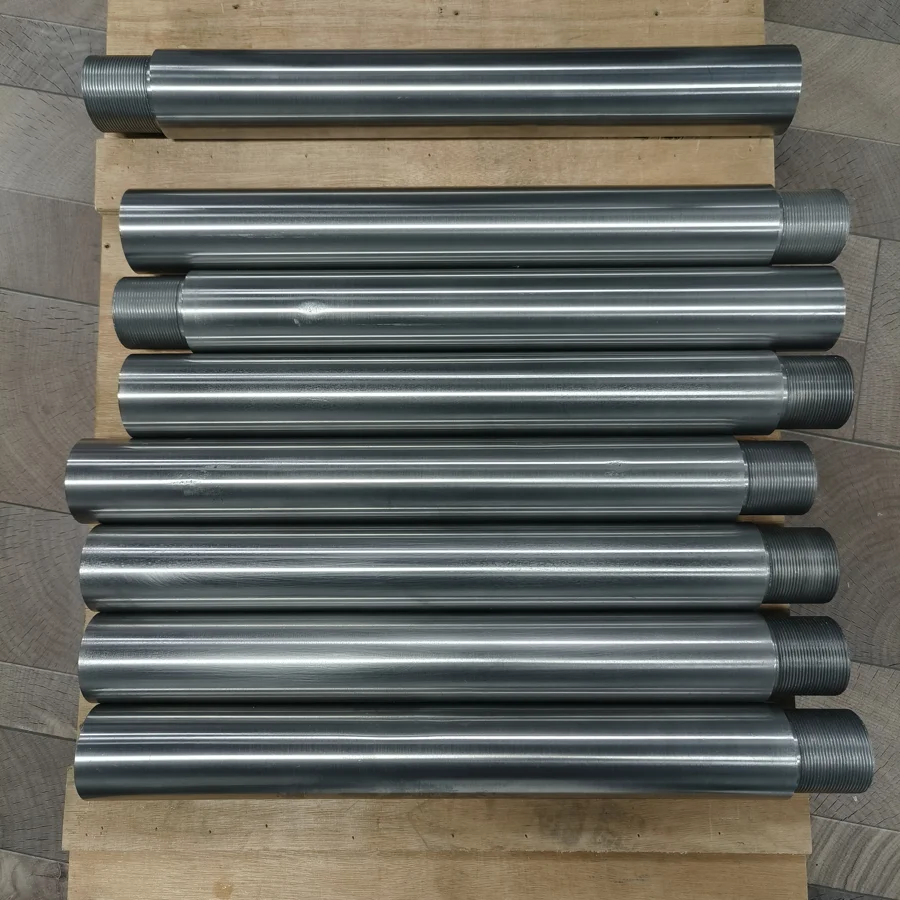
Glass-melting equipment
For a molybdenum electrode enquiry, identify glass composition, operating conditions, installation and electrical duty. Confirm the complete equipment specification.
Process and electrical equipment
Describe the electrode function, current or power, cooling arrangement and contact materials. Mark the surfaces that control fit and electrical connection.
Replacement or custom geometries
Supply the original drawing or a dimensioned sketch, grade designation and wear or failure context. Other electrode forms are reviewed individually.
The application is a starting point for review. Suitability depends on the selected material, geometry and operating conditions; material melting points are not service-temperature ratings.
Define the part before quotation
Working end
Diameter, length, tip/end geometry, immersed or contact area and finish.
Connection
Threads, shoulders, mounting features and mating interfaces with required tolerances.
Electrical and service duty
Process, current/power, atmosphere, temperature cycle, cooling and contact materials.
Include the material grade or standard, quantity, inspection documents, destination and requested schedule. Feasibility, acceptance criteria and lead time are confirmed for the individual project.
BUYER’S GUIDE · GLASS-MELTING ELECTRODES
How to prepare a molybdenum electrode RFQ
For a useful quotation, send the molybdenum specification, a dimensioned drawing, glass-contact conditions, electrical and installation details, quantity and required inspection documents. Mark unknown information for review. An electrode’s outside diameter alone does not define its working duty or connection.
Start with the drawing and its revision
Separate the overall length from the working or immersed length. Mark the tip, shoulders, threads, connection faces and the dimensions that control replacement fit. Identify the drawing revision and units. A photograph can explain the installation, but thread size, engagement and acceptance dimensions need to be written down.
Describe the glass-contact and installation conditions
Identify glass composition or the available process specification, contact conditions and thermal cycle. Include the electrical duty, electrode orientation, mounting and cooling arrangement. If the existing part has worn or failed, describe where and how; an observed failure is useful context, not proof of a particular root cause.
A starting enquiry you can adapt
Product: Molybdenum electrode for glass-melting equipment.
Material: State grade, standard, condition and any specified impurity limits; identify unknowns.
Drawing: Attach the current revision with units, overall/working length, connection and critical dimensions.
Duty: Describe glass/contact material, thermal cycle, electrical supply, installation and cooling.
Order: Give quantity, delivery destination and requested schedule.
Acceptance: List material documents, dimensional checks, surface/cleaning requirements and packaging needs.
This is an editable enquiry example, not a customer case, fixed product specification or delivery commitment. Leave unavailable details clearly marked for discussion.
Keep quotations comparable
Ask suppliers to identify the same drawing revision, material condition, included inspection scope and any proposed deviations. Distinguish a material certificate from a dimensional report, and agree which documents accompany delivery. A generic “molybdenum electrode” description does not establish a glass-specific grade or a welding specification.
Review the molybdenum electrode product page for material-specific enquiries. If you need a material blank for subsequent processing, compare sheet, rod and blank forms. For process vessels, see crucibles and containers.
Before sending a drawing, review our privacy and drawing information. BOMO Metals handles project enquiries from Luoyang, China; material suitability, manufacturing scope and quotation terms are agreed for the actual part.
Send an electrode enquiry →Send your drawing or initial requirement
A complete drawing helps, but a sketch or description can start the discussion. Identify what is known and what needs review.
Request a custom quotation →All product families →