BOMO METALS · MATERIALS & CUSTOM MANUFACTURING

Custom Tungsten Heavy Alloy Products

Custom tungsten heavy-alloy blanks, counterweights, balance parts and shielding geometries. Specify W–Ni–Fe or W–Ni–Cu, density requirements, drawing and functional duty for a tailored quotation.
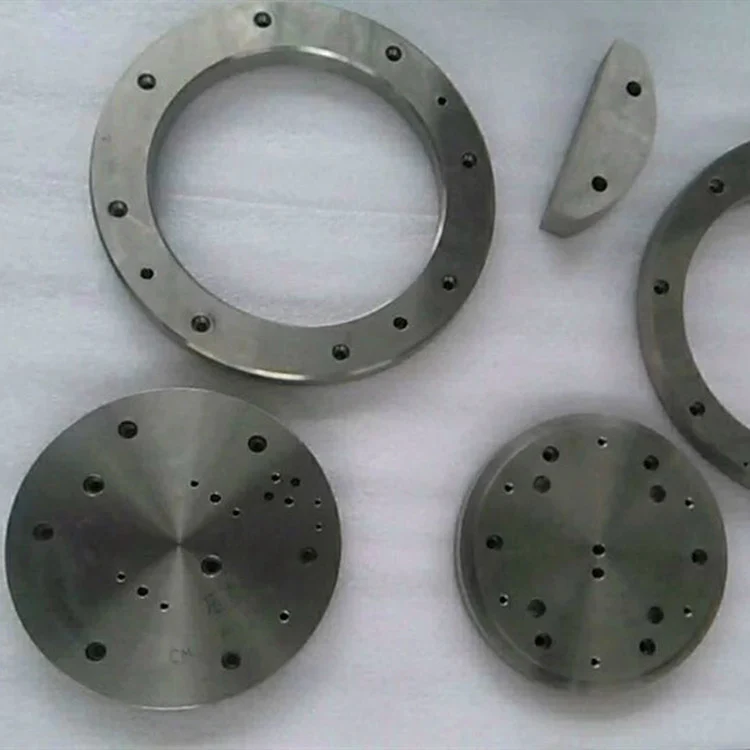
Tungsten-nickel-iron ring and circular component examples
Tungsten-nickel-iron ring and circular component examples. Final grade and dimensions are defined by the order.

Tungsten Heavy Alloy: material & procurement overview

Tungsten heavy alloys contain a high tungsten fraction with a metallic binder system. Our materials cover tungsten-nickel-iron and tungsten-nickel-copper parts, including machined ring and circular geometries. They are different from pure tungsten, tungsten-copper composites and cemented carbide. Start with the function, required density and exact alloy designation.

Mass within a defined volume

Counterweight selection starts with target mass, available space and installation geometry.

Binder-system selection

W–Ni–Fe and W–Ni–Cu have different characteristics. Identify magnetic and process requirements explicitly.

Custom functional geometry

A finished ring, balance part and shielding component require different dimensional and acceptance checks.

Material properties & grade reference

Property / specificationReference or selectionProcurement meaning
Material systemsW–Ni–Fe / W–Ni–CuName binder system and material grade
Brochure density overview16.8–18.6 g/cm³General family range; actual grade density requires agreement
Magnetic behaviourBinder-system dependentSpecify any magnetic-permeability requirement and required verification
Mechanical propertiesComposition and processing dependentState tensile, ductility or hardness criteria only where needed
Component geometryDrawing-basedCritical mass, centre of gravity, holes, fits and interfaces

Reference basis: Our product brochure, printed pages 12–13. These values or composition examples describe the material family. They are not guaranteed values for every delivered grade or finished component.
Material density alone does not validate a radiation-shielding design. Any shielding performance must be established for the equipment and radiation conditions by the responsible engineering review. The brochure range is a reference, not a guarantee for every grade.

Applications & design inputs

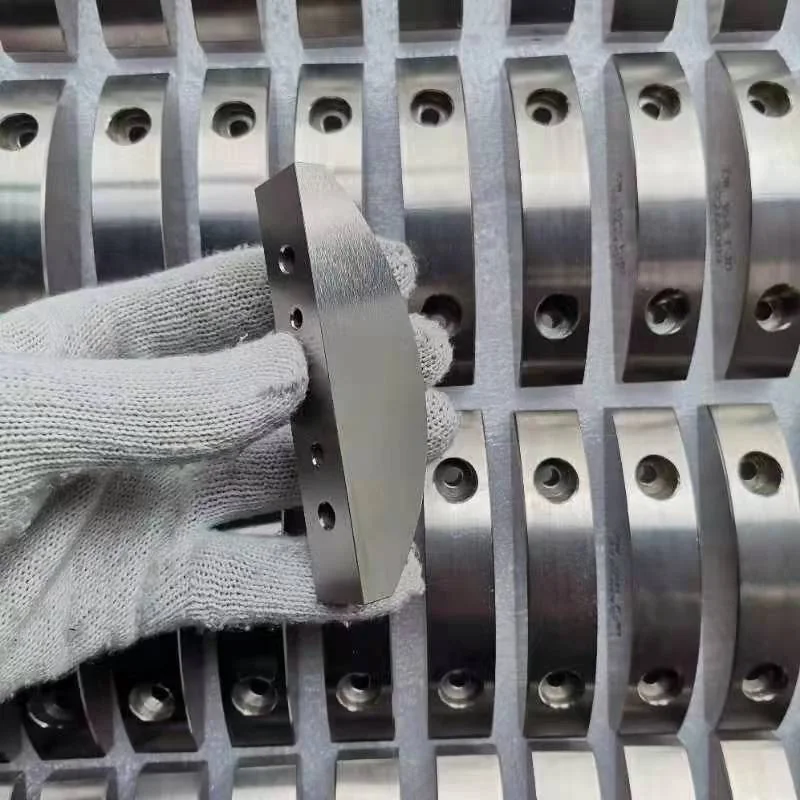
Heavy-alloy counterweight components arranged in a row
Counterweight component example from our company materials. Required mass, centre of gravity and fixing geometry are defined by the drawing.

Connect the material choice to the finished component: identify the process, contact surfaces, operating conditions and critical assembly interfaces.

Use the examples below to prepare a drawing-based enquiry. Final material suitability and achievable geometry are reviewed for your project.

Counterweights & balance parts

Define target mass, mass tolerance, centre-of-gravity requirement and fixing details.

Industrial shielding geometries

Supply radiation type, equipment layout and an approved shielding design; a material page does not validate attenuation.

Custom machined parts

Mark fits, contact surfaces, mechanical requirements and the selected alloy condition.

Tell us which surfaces contact the process, which dimensions control fit, and what documentation the project requires. An application example is a starting point for a specification; final suitability is reviewed against your actual conditions.

Custom product forms & specifications

Order inputCustom scopeWhat to send
Material and gradePlate, rod, blanks, counterweights, rings and drawing-based shielding geometriesExact grade, standard, chemistry and delivered condition
Dimensions and featuresLength, width, thickness, diameter or part geometryDrawing revision, critical tolerances, interfaces and machining allowance
Surface and fabricationFinish, cleaning, cutting or machining requirementsMark acceptance surfaces, joining details and any permitted process route
Duty and documentationOperating conditions, quantity and required checksInclude material documents, dimensional inspection, destination and requested schedule

From your drawing to an agreed manufacturing scope

01 · Define — Send the grade, drawing and function, with unknown details clearly marked.
02 · Review — Discuss geometry, processing, surface condition and critical inspection requirements.
03 · Agree — Confirm quotation scope, documentation, packaging and delivery requirements before production.
Our material range and manufacturing photographs support drawing-based project enquiries. Achievable dimensions, material properties and inspection scope are reviewed for the actual grade and part; the photographs do not define a fixed stock item.

Tungsten Heavy Alloy procurement questions

Is tungsten heavy alloy the same as pure tungsten?

No. Heavy alloys use tungsten with a binder system. Specify the exact alloy and grade rather than applying pure tungsten’s properties to the finished part.

Can you quote non-standard forms and dimensions?

Send your drawing or initial dimensions, material grade, quantity and component function. We review the required geometry and finishing together. State whether you need a material blank or a finished component.

Do the reference values define the delivered specification?

No. Use the exact grade and agreed order requirements. Tell us which material tests and inspection records you need so their scope and acceptance criteria can be included in the quotation.

Request a tungsten heavy alloy products quotation

Send your grade, drawing, dimensions, quantity and operating conditions to sales@bomometals.com. Include the delivery country, requested schedule and required inspection documents.
A sketch or description can start the discussion. The finished specification, manufacturing route and quotation terms are agreed for your project.
Scroll to Top