
Refractory material
Consider niobium for a specified thermal or vacuum component with the atmosphere, heat cycle and contact materials defined.
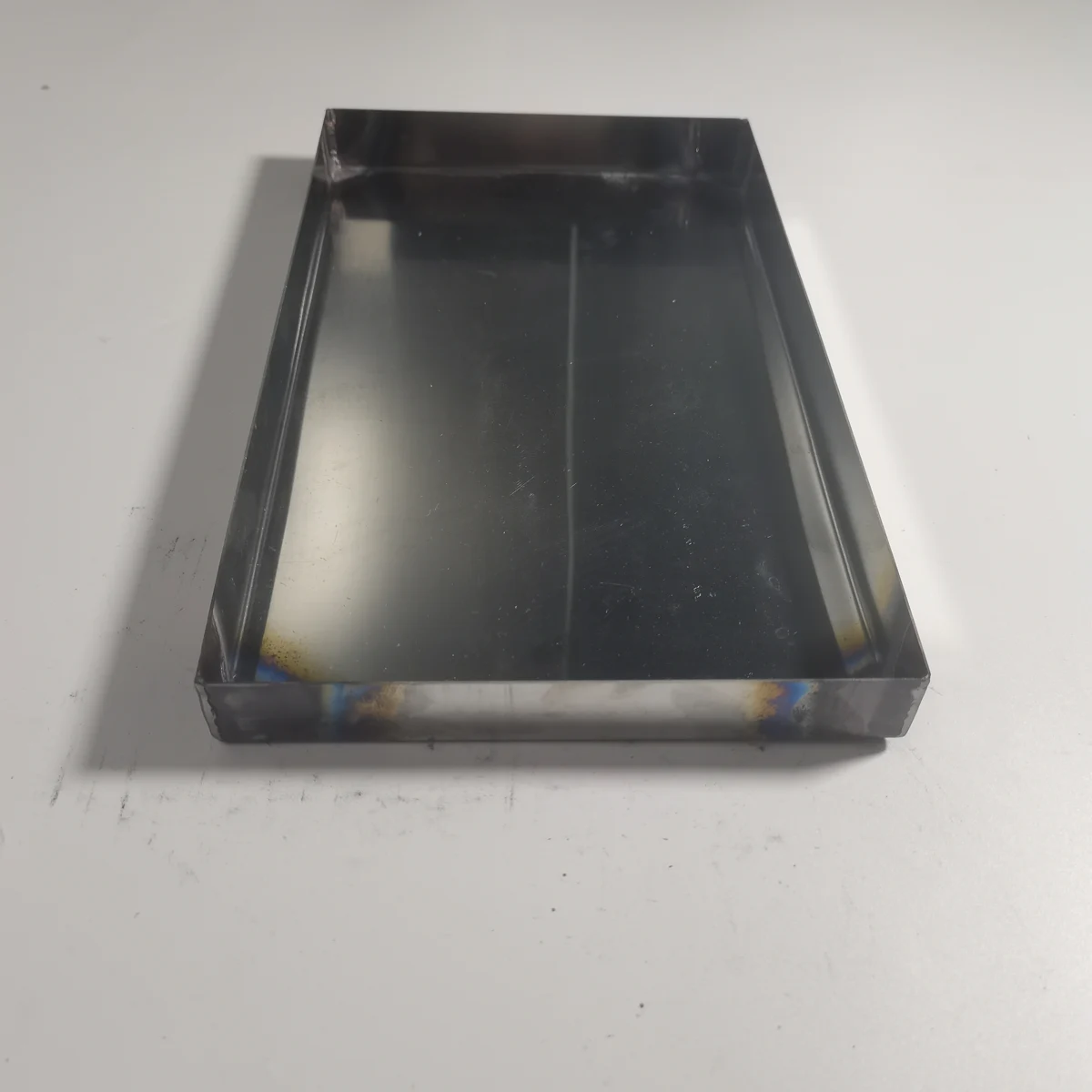
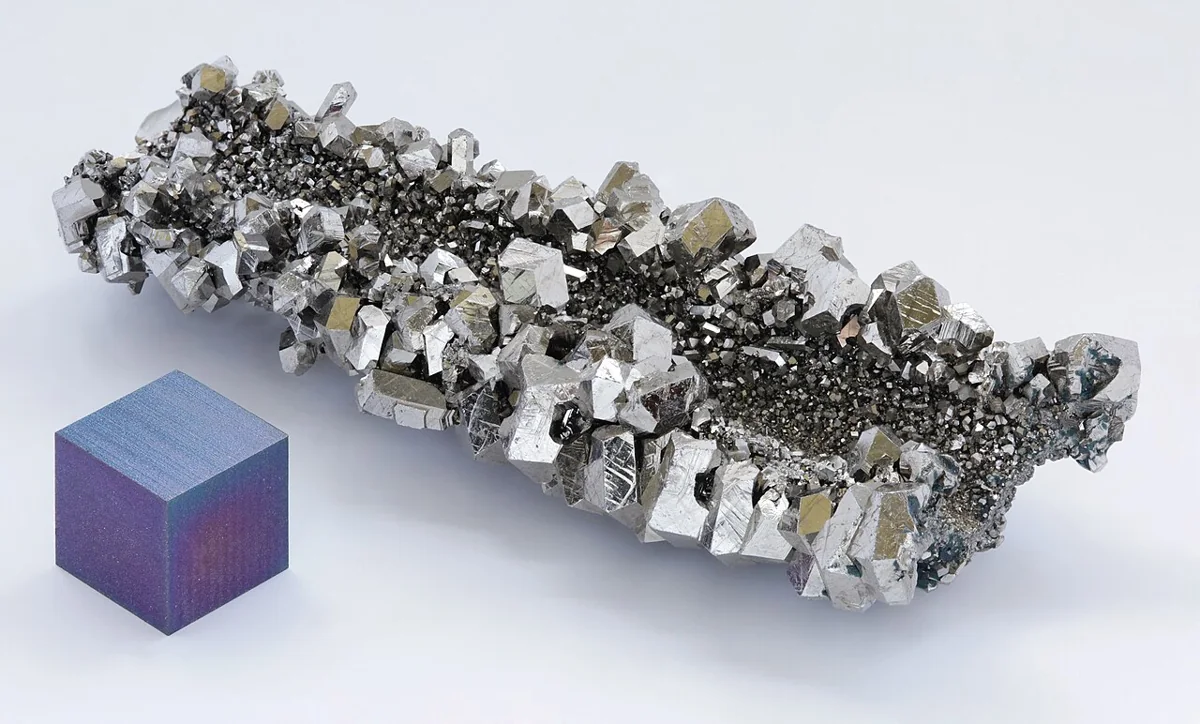
The process boat in the opening product photograph illustrates a finished container form. A niobium sheet or rod blank is a different delivery stage: material remains for later forming or machining. State which stage you need so that geometry, material condition and inspection are quoted together.
Dimension the internal space and outside envelope separately. Mark the wall, base, corners and any rim or joining detail; a photograph alone does not define wall thickness.
Identify charge-contact surfaces, support points and mating features. Describe the charge material, atmosphere, thermal cycle and cleaning requirements for the intended process.
Specify a finished boat, a partly processed form or a material blank. Mark any stock to remain, surfaces to finish later and dimensions to inspect on delivery.
A useful drawing note is: “Quote to the stated revision; identify the niobium grade and delivered condition, and mark any proposed change for approval.” This is enquiry guidance, not a sample customer order or a fixed product specification.
Compare sheet, rod and blank forms, review drawing-based components, and define inspection and documentation before requesting a niobium quotation.
Consider niobium for a specified thermal or vacuum component with the atmosphere, heat cycle and contact materials defined.
Corrosion behaviour depends on the chemical medium and surface condition. Send concentrations, temperatures and cleaning details for review.
A boat, sheet blank and fitted rod need different geometry and inspection requirements. Begin with the finished part function.
| Property / specification | Reference or selection | Procurement meaning |
|---|---|---|
| Material identity | Niobium (Nb) | Element reference; identify the industrial grade separately |
| Atomic number | 41 | Element identity |
| Density at room temperature | 8.57 g/cm³ | Reference for the element; delivered material depends on grade and condition |
| Melting point | 2477 °C | Element phase-change reference, not a continuous service-temperature rating |
Reference basis: Royal Society of Chemistry element reference. These values or composition examples describe the material family. They are not guaranteed values for every delivered grade or finished component.

Connect the material choice to the finished component: identify the process, contact surfaces, operating conditions and critical assembly interfaces.
Use the examples below to prepare a drawing-based enquiry. Final material suitability and achievable geometry are reviewed for your project.
Define internal dimensions, wall details, charge material, support arrangement and process conditions.
Provide the assembly drawing, joining interfaces and any cleanliness or material documentation requirements.
Choose sheet, plate, rod, wire or tube with a defined grade and allowance for subsequent processing.
| Order input | Custom scope | What to send |
|---|---|---|
| Material and grade | Sheet, plate, rod, wire, tube, process boats and custom machined forms | Exact grade, standard, chemistry and delivered condition |
| Dimensions and features | Length, width, thickness, diameter or part geometry | Drawing revision, critical tolerances, interfaces and machining allowance |
| Surface and fabrication | Finish, cleaning, cutting or machining requirements | Mark acceptance surfaces, joining details and any permitted process route |
| Duty and documentation | Operating conditions, quantity and required checks | Include material documents, dimensional inspection, destination and requested schedule |
May we use optional analytics to understand page visits and enquiry interactions? Form contents and drawings are excluded. You can change your choice at any time. Privacy information