
Low-density material
Titanium is substantially less dense than tungsten or tantalum. Component strength and weight still depend on the selected grade and design.
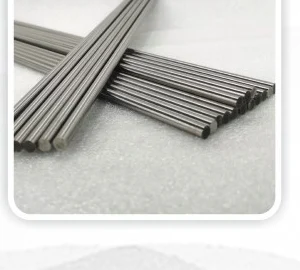
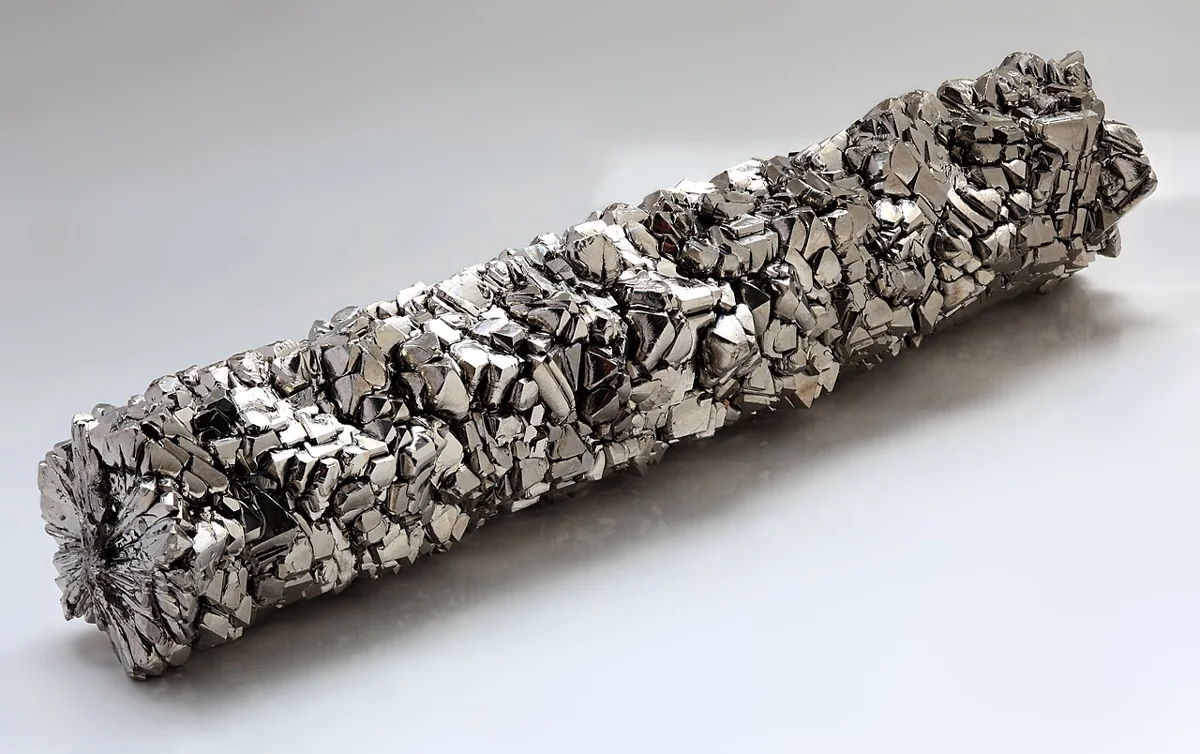
Titanium is substantially less dense than tungsten or tantalum. Component strength and weight still depend on the selected grade and design.
Process chemistry, temperature and cleaning conditions belong in the compatibility review for a titanium part.
State commercially pure titanium or the required alloy designation. Mechanical properties and delivered condition must match that grade.
| Property / specification | Reference or selection | Procurement meaning |
|---|---|---|
| Material identity | Titanium (Ti) | Element reference; identify the industrial grade separately |
| Atomic number | 22 | Element identity |
| Density at room temperature | 4.506 g/cm³ | Reference for the element; delivered material depends on grade and condition |
| Melting point | 1670 °C | Element phase-change reference, not a continuous service-temperature rating |
Reference basis: Royal Society of Chemistry element reference. These values or composition examples describe the material family. They are not guaranteed values for every delivered grade or finished component.

Connect the material choice to the finished component: identify the process, contact surfaces, operating conditions and critical assembly interfaces.
Use the examples below to prepare a drawing-based enquiry. Final material suitability and achievable geometry are reviewed for your project.
Share the fluid composition, temperature and interfaces for a tube, flange, liner or machined component.
Define loads, mating materials and critical dimensions for the exact material grade.
Specify form, dimensions, surface condition and any required allowance for cutting or machining.
| Order input | Custom scope | What to send |
|---|---|---|
| Material and grade | Plate, sheet, rod, wire, tube and custom machined parts | Exact grade, standard, chemistry and delivered condition |
| Dimensions and features | Length, width, thickness, diameter or part geometry | Drawing revision, critical tolerances, interfaces and machining allowance |
| Surface and fabrication | Finish, cleaning, cutting or machining requirements | Mark acceptance surfaces, joining details and any permitted process route |
| Duty and documentation | Operating conditions, quantity and required checks | Include material documents, dimensional inspection, destination and requested schedule |
MATERIAL · GEOMETRY · DELIVERY SCOPE
Use the exact titanium grade or standard required by the drawing. A titanium photograph or general material description does not establish medical, aerospace or other regulated qualification for the finished part.
Identify mating faces, holes, threads and surface requirements. If your team will machine or join the part later, state that work and the material condition required on delivery. Any application-specific documentation belongs in the initial enquiry.
Explore starting forms and blanks or drawing-based components, then review manufacturing requirements and the inspection scope for the selected grade and geometry.
May we use optional analytics to understand page visits and enquiry interactions? Form contents and drawings are excluded. You can change your choice at any time. Privacy information