
Assembly envelope
Internal working dimensions, external clearance, orientation, access for insertion and extraction, lifting points and transport constraints.
BOMO METALS · DRAWING-BASED MANUFACTURING
A vacuum furnace hot zone is a coordinated internal assembly of heating, shielding and supporting components. We manufacture custom hot-zone assemblies to approved drawings and review measured legacy equipment for replacement design. Start with the work-zone envelope and the interfaces that must fit the existing furnace.
Request a custom quotation →Luoyang, China · Project enquiries worldwide
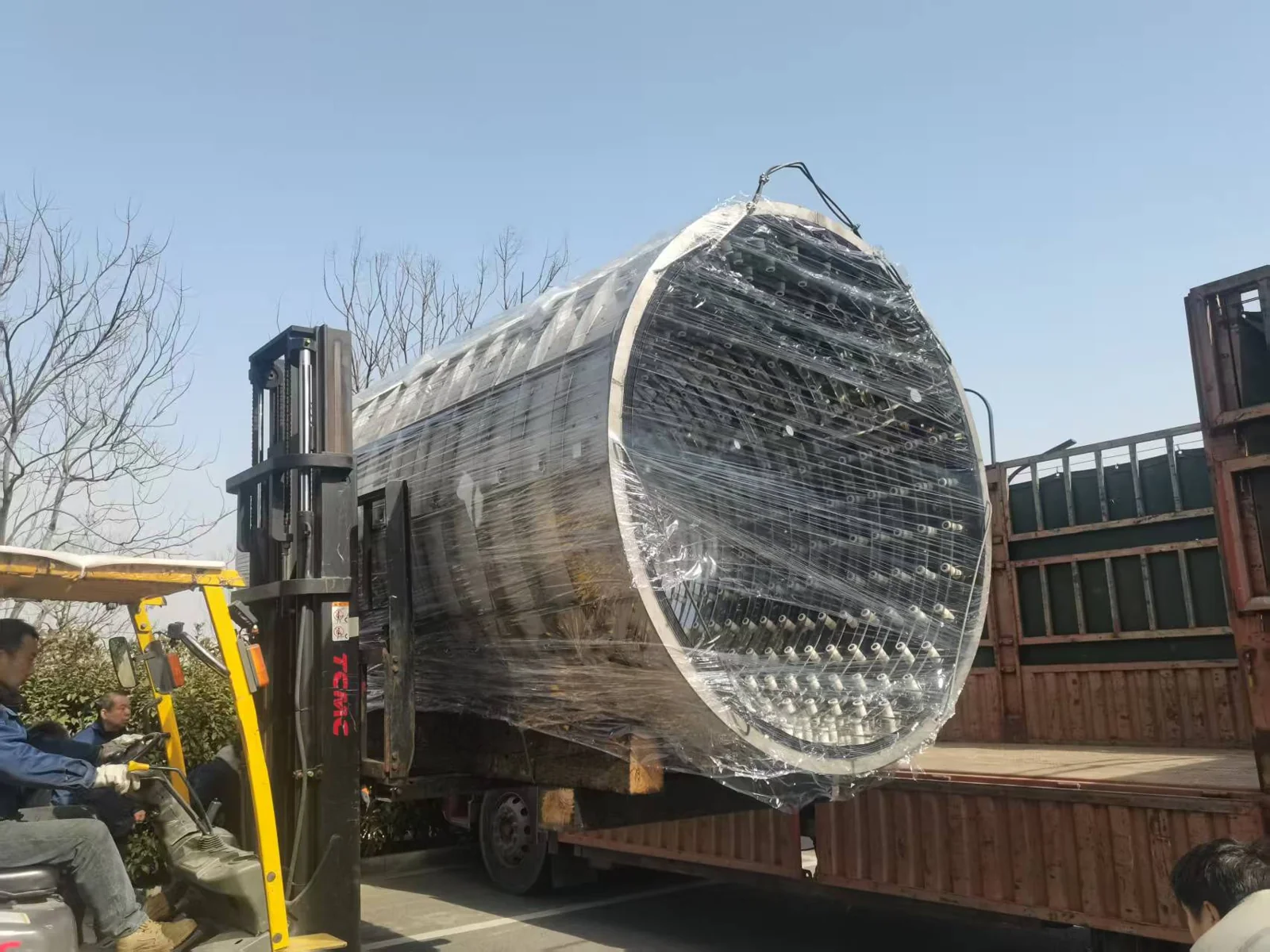
The work-zone diameter or length is only the starting envelope. A replacement must also account for support positions, electrical connections, door clearances, process openings and any gas-flow interfaces retained in the furnace.
Internal working dimensions, external clearance, orientation, access for insertion and extraction, lifting points and transport constraints.
Shield-pack arrangement, heating circuits, element supports, hearth and load supports, openings and the interfaces between them.
Identify retained furnace connections and which mating dimensions are controlled by the replacement drawing. Separate supplied and reused components.
A measured replacement drawing should distinguish an original design feature from wear, distortion or previous modifications. Copying a worn part without that review can carry its problems into the new assembly.
Provide the work-zone envelope, process and temperature cycle, vacuum/atmosphere information, electrical duty, load pattern, available openings and connections, quantity and delivery destination. Identify any parts that must be reused and the proposed downtime window.
Inspection and commissioning requirements are defined for the project. Dimensional conformity of an assembly and temperature performance of a complete installed furnace are different acceptance questions; agree who verifies each one.
Choose material-specific parts when the grade and individual component are already defined. For a coordinated internal assembly or a replacement project, use this hot-zone family and its dedicated pages.
Material grade, condition and compatibility with the furnace duty are confirmed for the approved design. Material melting points are not service-temperature ratings.
A hot zone is the coordinated internal heating, shielding and support assembly. Identify the boundary to the retained vessel, electrical connections and other furnace equipment; complete furnace supply is a separate scope.
Provide the work-zone envelope, external clearance, installation access, supports and mating interfaces. Mark electrical and process openings and the datums controlling replacement fit.
Identify each proposed reused item and its condition. Reuse depends on inspection and compatibility with the approved design; it is not assumed from the furnace model or photograph.
Send what is available and mark what still needs review: furnace information, geometry, material, process duty, quantity, destination and the replacement scope.
Discuss your hot-zone requirement →Privacy & drawing information →