
Section and profile
Specify band width, thickness, developed length, curved or formed geometry, holes, slots and the dimensional datums.
BOMO METALS · DRAWING-BASED MANUFACTURING
Custom metallic heating bands and formed element assemblies for vacuum-furnace hot zones. We work from drawings or measured replacement parts, reviewing the band section, formed profile, electrical connections and supports together. Existing equipment duty and the required material condition guide the manufacturing review.
Request a custom quotation →Luoyang, China · Project enquiries worldwide
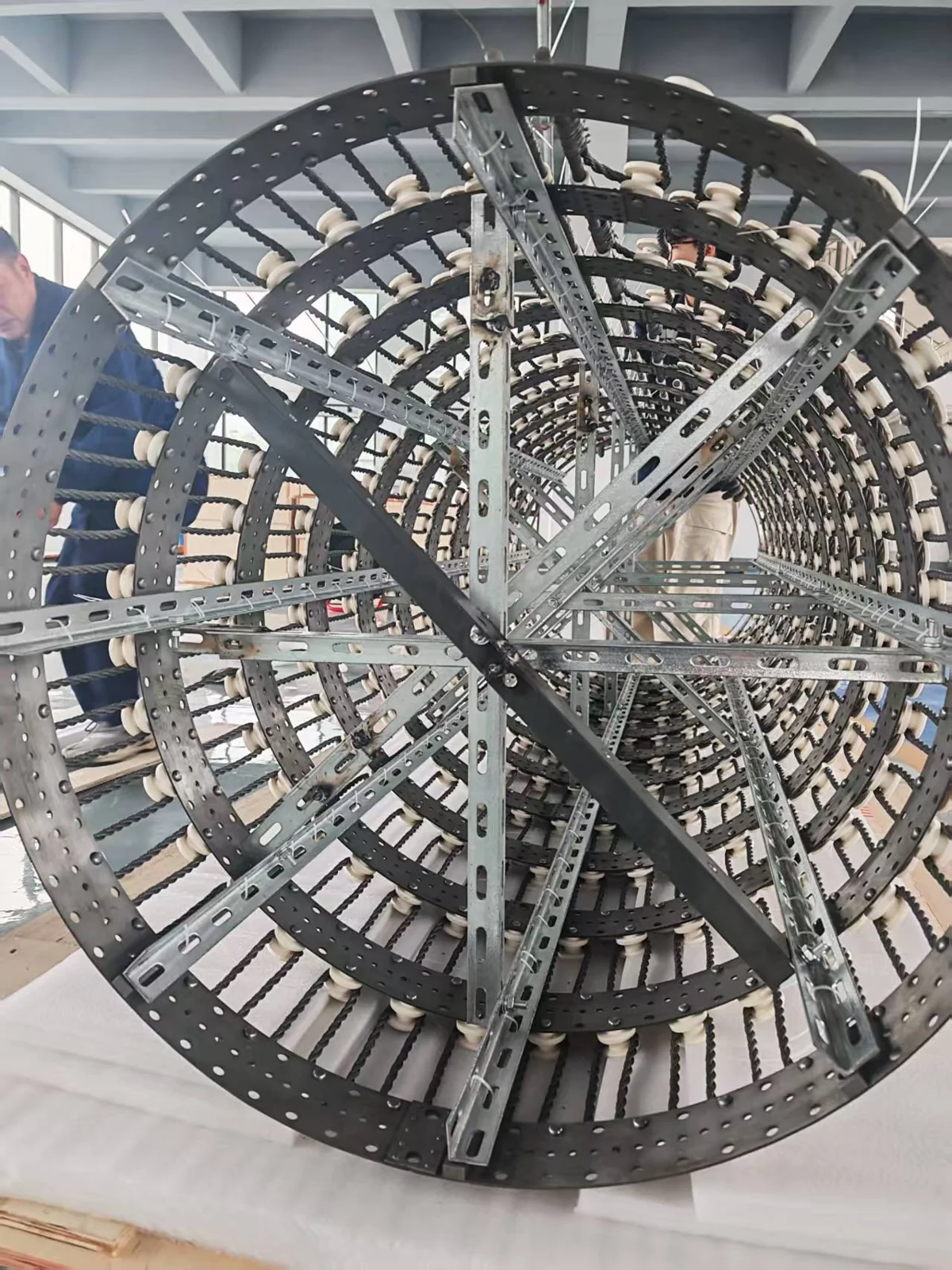
Heating-band dimensions, formed profile and connection features must be reviewed with the existing furnace electrical arrangement. A matching external shape does not establish the required electrical duty or replacement compatibility.
Specify band width, thickness, developed length, curved or formed geometry, holes, slots and the dimensional datums.
Show connection faces, hole patterns, joints and mating parts. Provide the existing circuit arrangement and the required current, voltage or power information.
Define element supports, fixing positions, insulation interfaces and clearances to the shield pack and load.
For drawing-based manufacture, identify the grade, material condition, surface requirements and revision. For a measured replacement, provide an unworn reference where possible and mark damaged or distorted areas separately.
The survey and design review should reconcile the measured part with connection positions and support geometry. Changes to band section, layout or connection detail require agreement before manufacture.
This page concerns metallic bands and their assembly interfaces. For a molybdenum-specific material and part enquiry, see molybdenum heating elements. Metallic molybdenum parts are distinct from molybdenum-disilicide ceramic heaters.
Define the features to inspect: band section, formed dimensions, connection positions, surface condition and any specified electrical checks. State document requirements and whether the supply is loose components or a defined subassembly.
Installation, electrical safety checks and furnace commissioning require the agreed equipment procedure and responsible personnel. The scope is confirmed in the quotation rather than inferred from a photograph.
WORKSHOP VIDEO
This separate workshop clip shows metallic component connections and support details inside the assembly. It can help explain which interfaces need to be recorded when reviewing a replacement heating-band layout.
Specify the band section, electrical connections, clearances and supporting parts on the approved drawing; the footage alone does not establish an electrical or temperature rating.
Choose material-specific parts when the grade and individual component are already defined. For a coordinated internal assembly or a replacement project, use this hot-zone family and its dedicated pages.
Material grade, condition and compatibility with the furnace duty are confirmed for the approved design. Material melting points are not service-temperature ratings.
This page covers metallic heating bands and their assembly interfaces. Metallic molybdenum and molybdenum-disilicide ceramic heaters are different products and require separate specifications.
Band section, geometry, connection faces and the circuit arrangement work together. Provide the required current, voltage or power and the existing connections so dimensional and electrical requirements can be reviewed together.
A sample can start the review. Mark wear and distortion and provide unworn mating references where available. The replacement drawing must resolve the intended geometry before manufacture.
Send what is available and mark what still needs review: furnace information, geometry, material, process duty, quantity, destination and the replacement scope.
Discuss your hot-zone requirement →Privacy & drawing information →